Torn between building a custom home or remodeling in Escalera Ranch? You are not alone. Both paths can work well in Georgetown, but the right choice depends on your budget, timeline, lot, and how much change you want. In this guide, you will learn the real differences in Escalera Ranch, key approvals, financing options, and a clear checklist to help you decide with confidence. Let’s dive in.
New build vs remodel at a glance
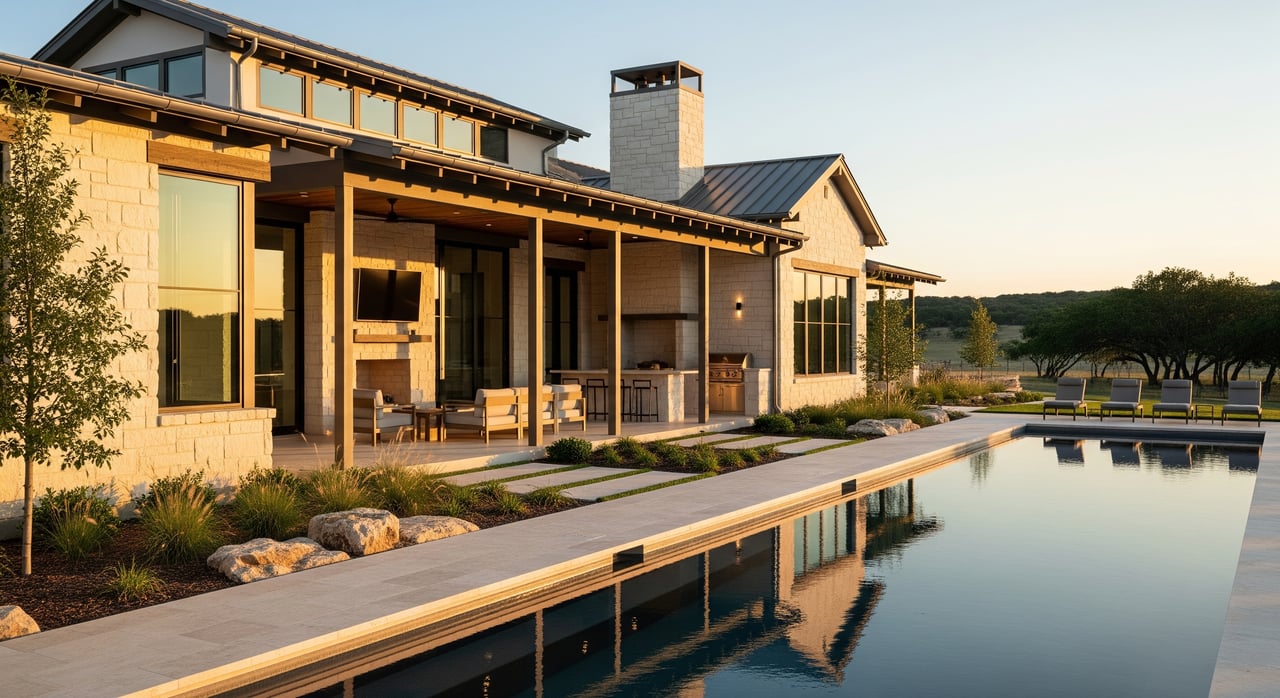
Building new gives you full design control and modern systems. You can plan energy efficiency from day one and enjoy a new‑home warranty. You also avoid hidden maintenance surprises and get predictable finishes.
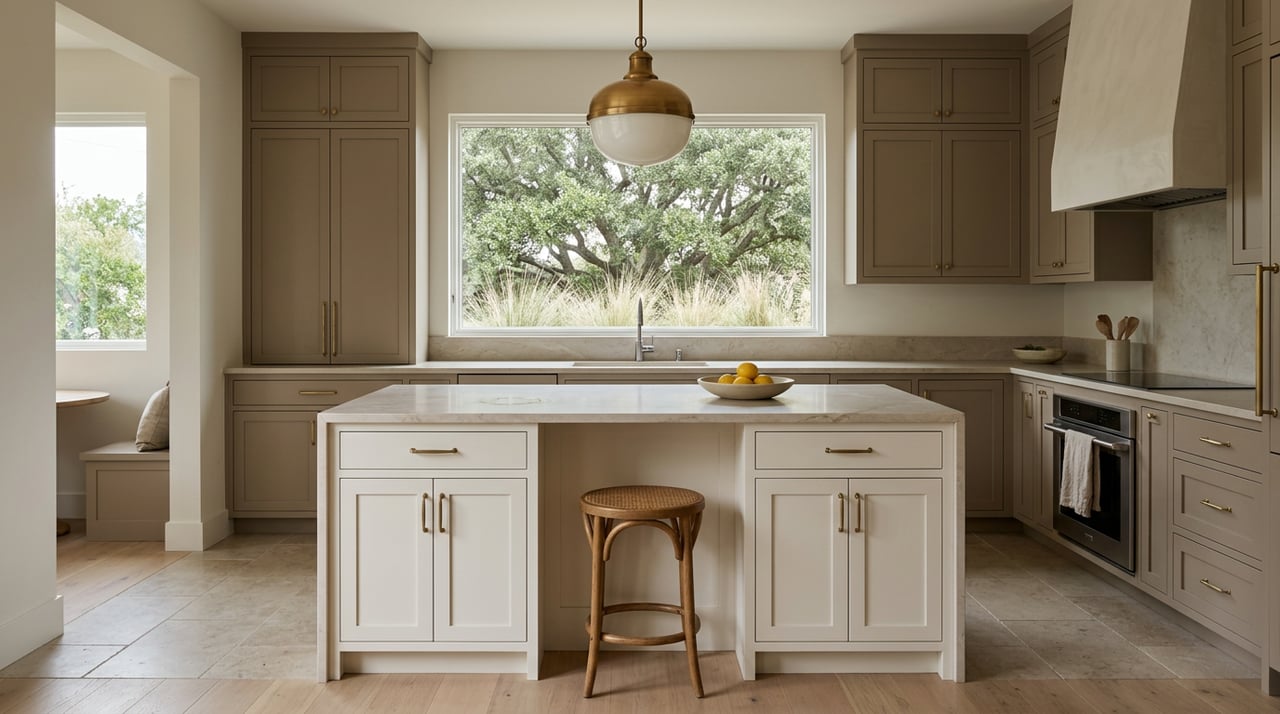
Remodeling can be faster for smaller scopes and may cost less than adding the same square footage new. You keep your lot and location and can target upgrades that add value. The tradeoff is working within an existing structure, which can reveal unknown issues.
Pros and cons you should weigh
- New build pros: full customization, modern efficiency, new‑home warranty, clean maintenance slate.
- New build cons: longer timeline, lot selection and prep, higher soft costs, HOA and architectural review steps.
- Remodel pros: potentially lower cost for limited changes, shorter timelines for smaller projects, keeps your lot and setting.
- Remodel cons: hidden conditions, structural limits, may not match the efficiency or floorplan flexibility of a new home.
What is different in Escalera Ranch
Escalera Ranch sits in a part of Georgetown where jurisdiction, utilities, and HOA design rules matter. Before you pick a path, confirm who regulates your property and what the HOA expects. These details can shape cost and timing from the start.
HOA and architectural review
Escalera Ranch has Covenants, Conditions and Restrictions and an Architectural Review Board. Expect requirements for minimum house size, exterior materials, colors, fencing, and landscaping. Ask the HOA or developer for the CC&Rs and Design Guidelines and get the current submission timelines. Build a buffer for review rounds.
City vs county permitting
If your lot is inside Georgetown city limits, the City of Georgetown Planning and Building Inspections will review permits and inspections. If you are in unincorporated Williamson County, you will follow county procedures instead. When in doubt, confirm your status with the appropriate office. You can start with the City of Georgetown’s Building Inspections information on the City of Georgetown website and county processes through Williamson County Development Services.
Utilities and service availability
Clarify whether you can connect to city water and sewer or if you will need a private well and septic. Utility availability affects both cost and timeline. Also confirm electric provider, broadband options, and whether any new service drops or line extensions are required. Service access and impact fees can change the financial picture for a new build.
Land and site constraints
Central Texas sites often include mature trees, limestone, slope, and shrink‑swell clays. These affect foundation design, grading, drainage, and tree protection. Check setbacks, easements, floodplain status, and lot coverage rules before you finalize plans. A current survey and soils report will help you avoid costly surprises.
Permits, codes, and inspections
Both new builds and major remodels require permits. Typical steps include site plan, building permit, foundation and framing inspections, rough‑in inspections for plumbing, electrical, and mechanical, then a final inspection. If you are in the city, follow the City of Georgetown’s adopted building and energy codes. If you are in the county, confirm requirements with Williamson County Development Services.
Energy code compliance can shape HVAC, window, and insulation choices. Ask the applicable office which editions of the International Residential Code and International Energy Conservation Code they have adopted. The answer can influence design, cost, and your long‑term utilities.
Timeline expectations in Georgetown
- New build: plan for roughly 6 to 12 months from lot contract to move‑in. The timing depends on whether the lot is fully improved, permit lead times, builder workload, and weather.
- Remodel: cosmetic projects often take 2 to 8 weeks. Kitchen or bath remodels may run 8 to 16 weeks. Whole‑house renovations commonly span 3 to 9 months depending on scope and approvals.
- HOA/ARB: allow several weeks to a few months for design review. Add contingency time for revisions.
Financing options for each path
You have several ways to finance a project, and the right fit depends on your scope and equity.
- Construction or construction‑to‑permanent loans: common for a ground‑up custom home. These offer interest‑only during the build, then convert to a mortgage or require refinance.
- Renovation mortgages: FHA 203(k), Fannie Mae HomeStyle, and Freddie Mac CHOICERenovation roll purchase plus renovation or refinance plus renovation into one loan. Learn more about the FHA 203(k) program, HomeStyle Renovation, and CHOICERenovation options.
- HELOC or cash‑out refinance: often used for smaller remodels if you have sufficient equity.
Ask lenders how they handle as‑completed appraisals and contingency for change orders. For vacant lots, expect different terms and higher rates than a primary mortgage.
Taxes, insurance, and warranties
New construction will be assessed and added to the tax roll after completion. Renovations can also affect assessed value during the next appraisal cycle. For local tax rates, schedules, and property lookups, use the Williamson Central Appraisal District.
New homes often come with builder warranties on workmanship and structure. For remodels, verify your contractor’s liability coverage, workers’ compensation where applicable, and whether a builder’s risk policy is advised for larger scopes. Confirm floodplain status before you plan, and check flood insurance needs using the FEMA Flood Map Service.
Cost drivers and where value comes from
The biggest cost drivers in Escalera Ranch tend to be site work and scope choices.
- Site and foundation: grading, retaining, soil mitigation, tree work, rock excavation, and complex foundations.
- Utilities: water, sewer or septic, electric service, and broadband extensions.
- Structure and layout: moving load‑bearing walls, adding a second story, or structural repairs.
- Finishes and systems: custom cabinetry, stone, high‑efficiency HVAC, and solar.
- Labor and materials: Central Texas has seen tight labor and price swings. Collect multiple written bids.
Projects that often add value include kitchen and bath updates, curb appeal improvements, and energy efficiency upgrades. Adding livable square footage can also help when allowed by the HOA and local rules. Keep your budget aligned with neighborhood comparables so you do not over‑improve relative to the market.
Simple decision flow for Escalera Ranch
- Choose a new build if you want a full modern floorplan, the highest efficiency, and fewer unknowns. This path fits when you already have or can secure a buildable lot and can wait for the longer timeline.
- Choose a remodel if the home’s structure is sound and your goals are cosmetic or involve limited layout changes. This path fits when you want to preserve your lot, control costs, and move sooner.
- In either case, confirm HOA rules, jurisdiction, utilities, and site conditions before committing. These items often make the decision clear.
Your 10‑step local checklist
- Confirm whether your property is inside Georgetown city limits or in unincorporated Williamson County. Regulations and permits vary.
- Obtain Escalera Ranch CC&Rs and the Architectural Review Board Design Guidelines. Note submittal steps and review timelines.
- Order a current ALTA or plot survey and review setbacks, easements, and deed restrictions.
- Check floodplain status using city or county GIS and the FEMA Flood Map Service. Order a soils or geotechnical report if slope or expansive clays are likely.
- Verify utility availability and costs for water, sewer or septic, electric, and broadband.
- For remodels, schedule a full home inspection. Probe for concealed issues so your budget is realistic.
- Collect at least three detailed bids from licensed builders or contractors with local references.
- Speak with lenders about construction loans, renovation mortgages, and HELOC options. Ask how as‑completed value will be appraised.
- Request example HOA approvals and map out a calendar that includes HOA and permit review time.
- Confirm insurance needs and builder warranties in writing. Keep all approvals and coverage documents organized.
Questions to ask your builder or contractor
- What similar projects have you completed in Georgetown or Williamson County, and can you share recent local references?
- Who handles permits and inspections, and will you submit to the HOA/ARB?
- What is the milestone schedule for foundation, framing, MEP rough‑ins, and final inspection?
- How do you manage change orders and cost escalation, and what contingency do you recommend?
- What workmanship and structural warranties do you provide, and are third‑party warranties included?
- Can you break out site work, foundation, shell, finishes, and soft costs in your estimate?
Common pitfalls to avoid
- Assuming municipal sewer is available without verification.
- Starting design or construction before HOA/ARB approval.
- Accepting low bids that lack detail, which can lead to expensive change orders.
- Skipping soils or geotechnical testing on sites with expansive clays.
- Overbuilding beyond neighborhood norms without checking comparables and lender appraisal limits.
How we help in Escalera Ranch
You do not have to navigate this alone. Our team pairs local market knowledge with practical build and remodel experience so you can plan with clarity. We help you line up the right steps in the right order, from HOA review and permitting strategies to sourcing bids and connecting with lenders.
If you are weighing a new build against a remodel, we can walk you through comps, timing, and resale impact so your investment aligns with your goals. We also provide buyer and seller representation across Georgetown and nearby communities, plus consultative guidance for custom builds and renovations. Ready to talk through your plan? Connect with the Merissa Anderson Group.
Local resources
FAQs
What permits do I need to remodel a home in Escalera Ranch?
- For structural, electrical, plumbing, mechanical, or addition work, expect full permits and inspections through the city or county that has jurisdiction, plus HOA/ARB approval when required.
How can I confirm if my lot is inside Georgetown city limits or in the county?
Which renovation loans can fund a remodel in Georgetown?
Will a remodel increase my property taxes in Williamson County?
How long does HOA architectural review take in Escalera Ranch?
- Timelines vary by submittal completeness and meeting schedules, so plan for several weeks to a few months and include time for possible revisions.
How do I check school attendance zones if I am buying or building in Escalera Ranch?
- Use the boundary resources at Georgetown ISD and confirm attendance zones directly with the district before making final plans.