If you’re preparing to sell a multi‑acre estate in Escalera Ranch, you already know this is not a typical suburban sale. Buyers are weighing land, lifestyle, privacy, and the quality of improvements, not just bedrooms and baths. In this guide, you’ll learn how to set a winning price, prepare the right documents, showcase the acreage, and launch a marketing plan that reaches the right buyers. Let’s dive in.
Know your Escalera Ranch buyer
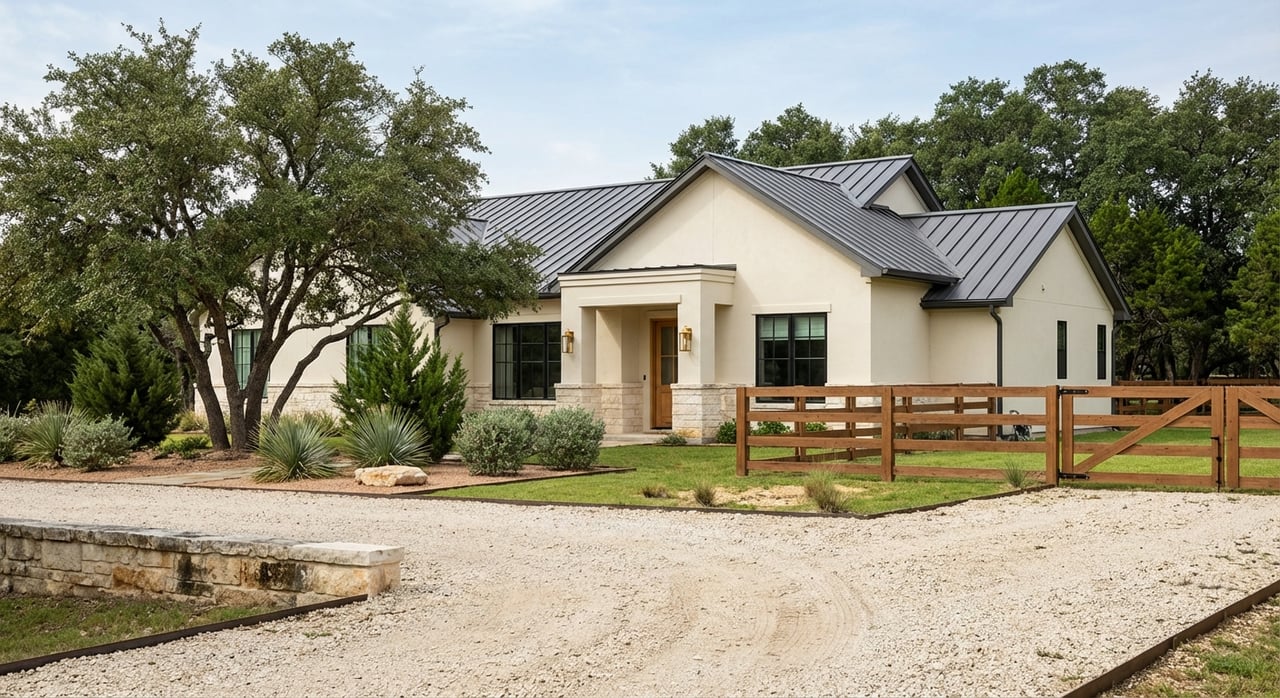
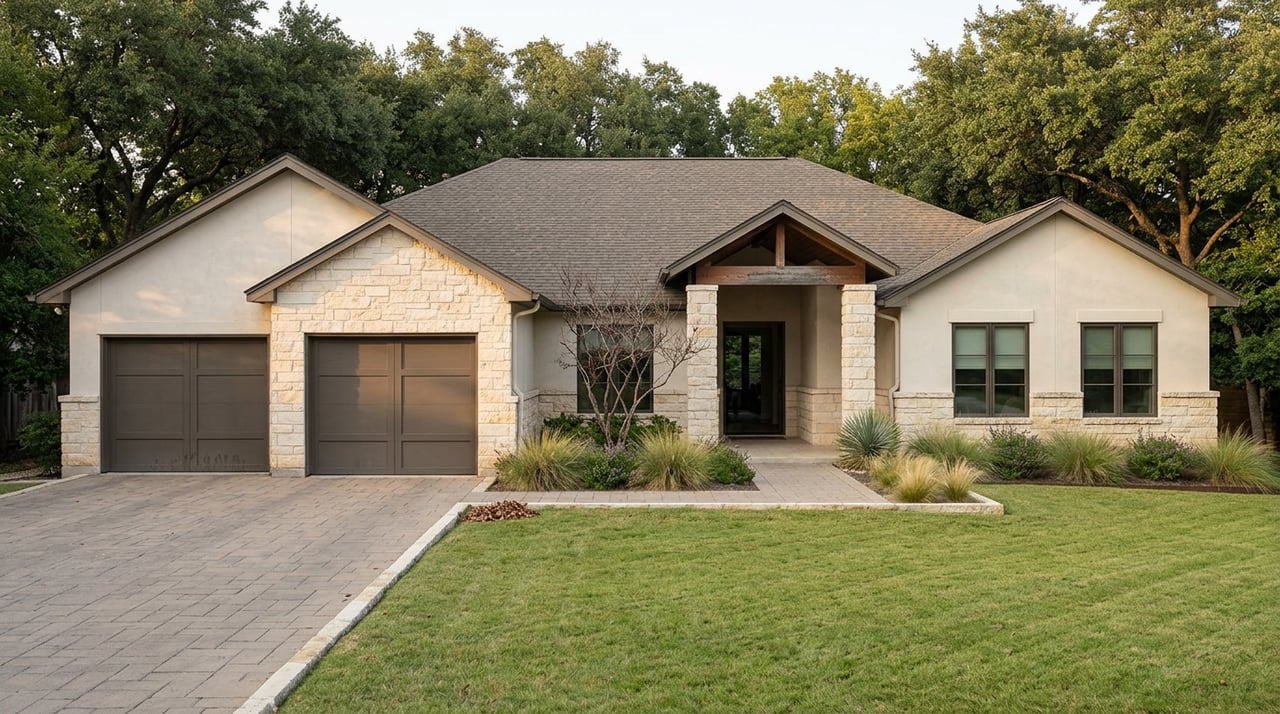
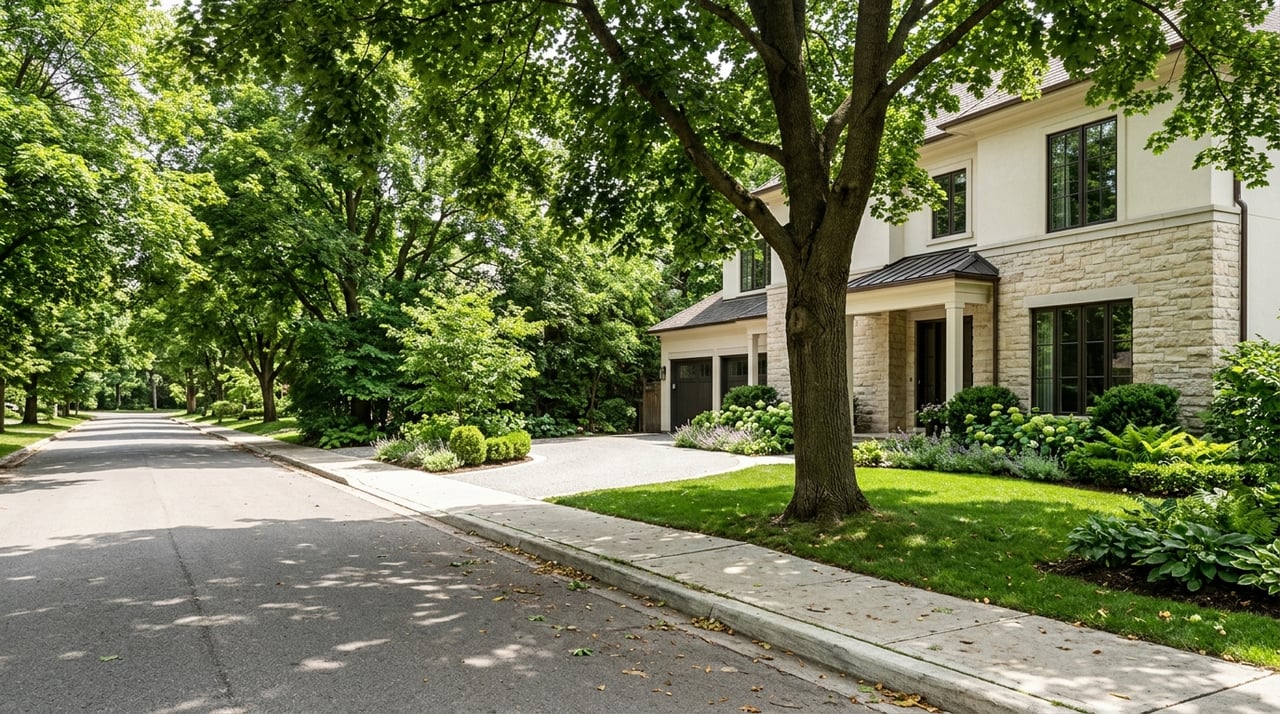
Escalera Ranch is an acreage community in Georgetown with homesites commonly in the 2–5 acre range and Hill Country–inspired architecture. The community’s setting between Leander Road and Ronald Reagan Boulevard gives access to regional corridors, which many buyers value for commuting and daily life. Highlight these lifestyle cues in your listing narrative and visuals. You can reference the community’s acreage character and design standards from the Escalera Ranch community overview.
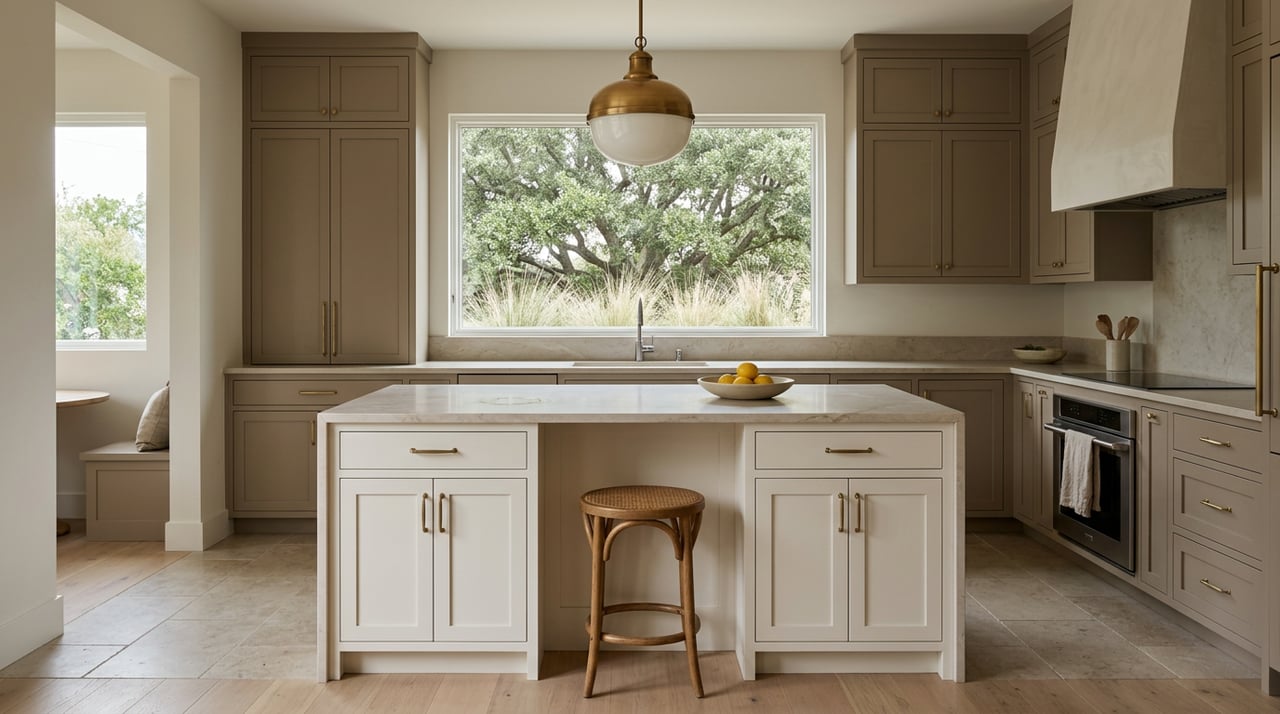
Buyers here are often seeking privacy, usable acreage, and quality finishes. Many will compare your home with other estate properties across the northwest Austin corridor. Your job is to make it easy for them to understand the land, the improvements, and how your property lives day to day.
Price the land and the home separately
Acreage homes carry two value components: the land itself and the improvements like the house, outbuildings, arenas, and site work. Appraisers typically rely on the sales comparison approach for these properties and will often identify site value separately when relevant. If you want a strong pricing foundation, it helps to understand how appraisers reconcile these pieces. The Appraisal Institute’s guidance outlines the standard methods.
Recent Escalera Ranch examples show how improvement quality drives price. A sale at 112 Escalera Parkway closed around $1,400,000 on about 3.48 acres, with roughly 4,058 square feet of living space. Another nearby sale at 409 Escalera Parkway closed near $1,495,000 on about 2.04 acres with approximately 3,859 square feet. A land‑only reference in the community, 116 Folsom Court, was listed around $500,000 for about 2.11 acres. These illustrate two key points: improved estates often land in the low‑to‑mid seven figures for 2–3 acre properties, and per‑acre numbers vary widely because the house and site improvements drive most of the value.
Steps to set a competitive list price
Gather the best comparables. Focus on improved sales within Escalera Ranch and similar nearby Hill Country estates. Adjust for lot size, acreage usability, topography, tree cover, and upgrades like pools, barns, or arenas.
Benchmark raw‑land value. Use land‑only sales or listings to estimate a base per‑acre figure. Then isolate the improvement premium for your house and outbuildings.
Weigh marketability factors. Privacy, fencing, pond or water features, paved access, and utility details matter. If your home uses a septic system or well, be ready with current records. Williamson County’s On‑Site Sewage Facilities page outlines permits, maintenance, and transfer items you should expect at sale; review the county’s OSSF guidance early.
Consider a pre‑listing appraisal or broker opinion. For unique or higher‑value estates, a certified appraisal can support a defensible price and help during negotiations. See the Appraisal Institute’s resources for an overview of valuation best practices.
Common value adjustments for acreage
- Equestrian features: arenas, stalls, and covered pens can command significant buyer interest.
- Water and well details: well yield, pump age, and pond condition reduce uncertainty and improve appeal.
- Driveways, gates, fencing, and buffers: strong first impressions, access, and privacy add value.
- Septic type and upkeep: aerobic systems often involve maintenance contracts. Buyers will want clarity on maintenance, transfer steps, and compliance. Review county notes on how systems work and typical obligations on the septic systems overview.
Prep your acreage like a pro
Selling an acreage home is part presentation, part documentation. Start assembling the essentials before you hit the market.
Documents to compile before listing
- Current survey or plat showing boundaries and easements.
- Septic (OSSF) permits, inspection records, and any maintenance contract; Williamson County details permits and transfer steps on its OSSF page.
- Well log and recent water testing if applicable (bacteria, nitrate), plus any treatment equipment details.
- HOA covenants, architectural guidelines, and current dues statements. The community overview for Escalera Ranch is a good place to begin confirming HOA expectations.
- Williamson Central Appraisal District materials, including exemptions and any 1‑D‑1 agricultural or wildlife valuation documents. If your use changed, be ready to discuss potential rollback; find forms and resources at WCAD’s forms page.
Inspections and repairs that pay off
- Septic service and inspection, with clear paperwork for aerobic systems.
- Well testing, plus HVAC, roof, pest, and structural checks; cure obvious safety or function issues.
- Repair and clean highly visible items: driveway edges, gates, and fencing often shape a buyer’s first impression.
Present the land and outdoor amenities
- Create a concise property packet with the survey, parcel map, topography snapshot, HOA summary, septic and well records, utility bills, and a list of improvements and recent maintenance.
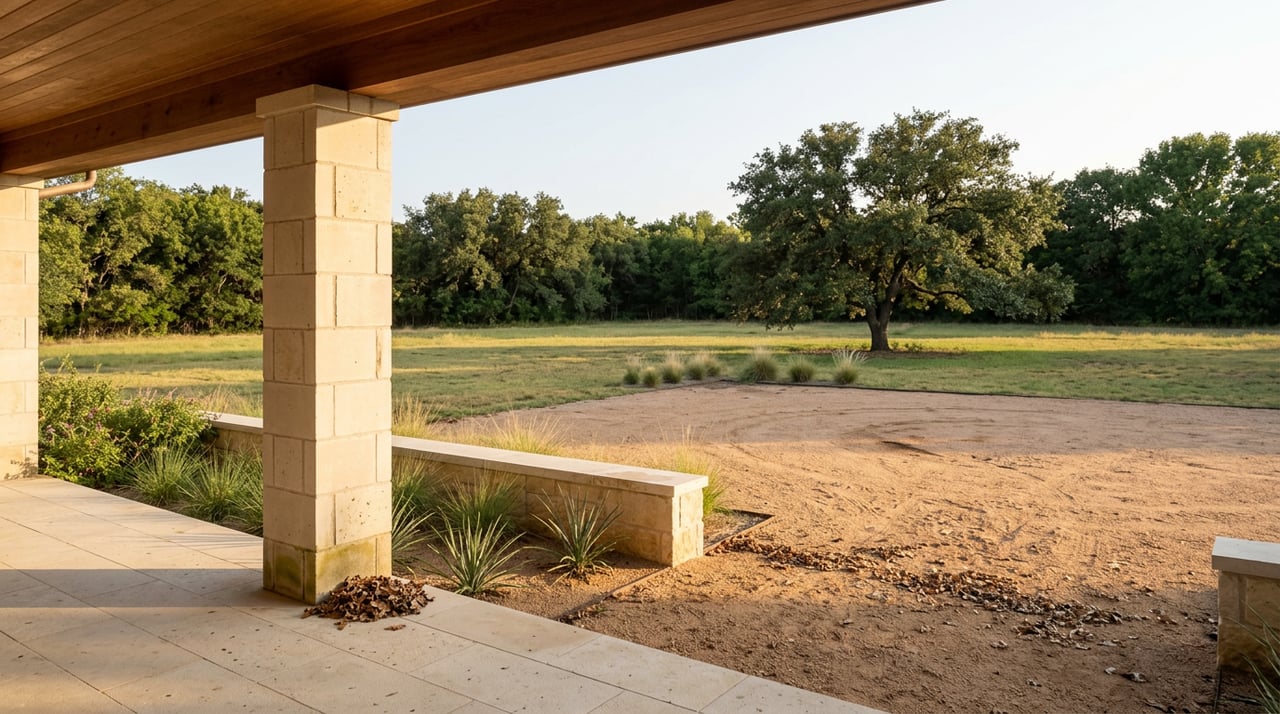
- Clean strategically. Mow view corridors and pathways so buyers can see usable pasture, trails, and access to boundaries. Remove debris and organize barns or shops.
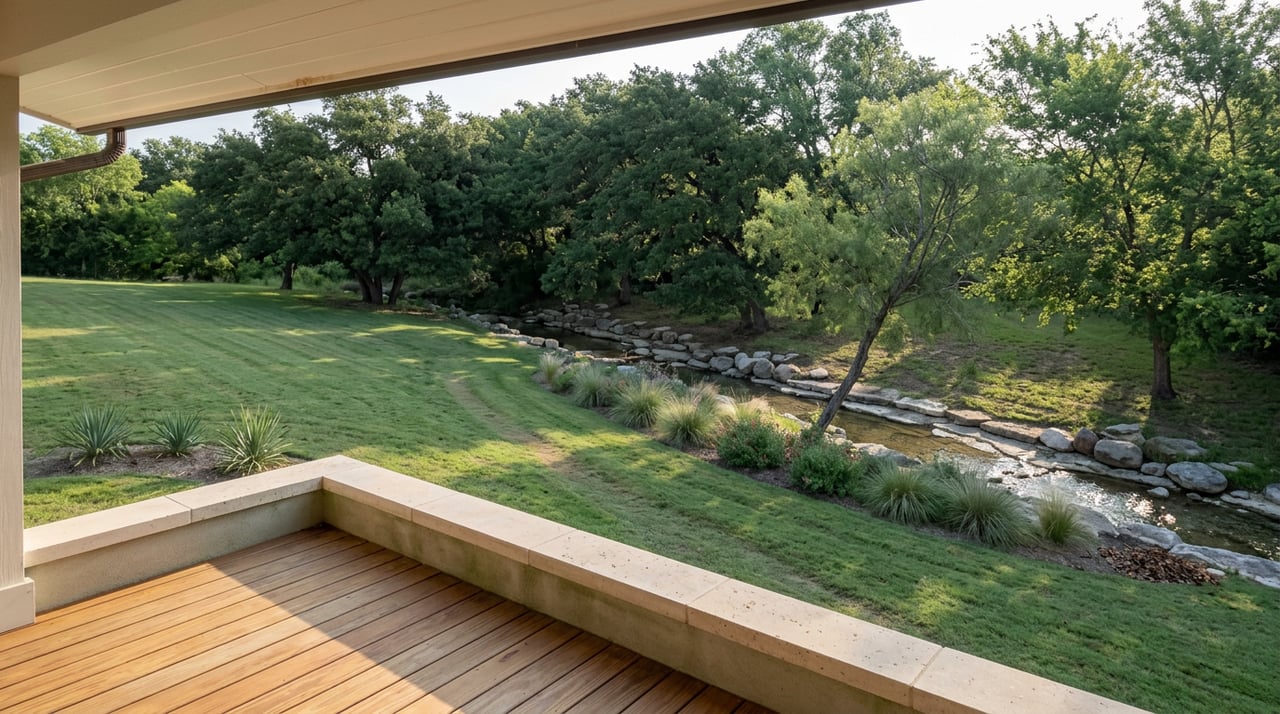
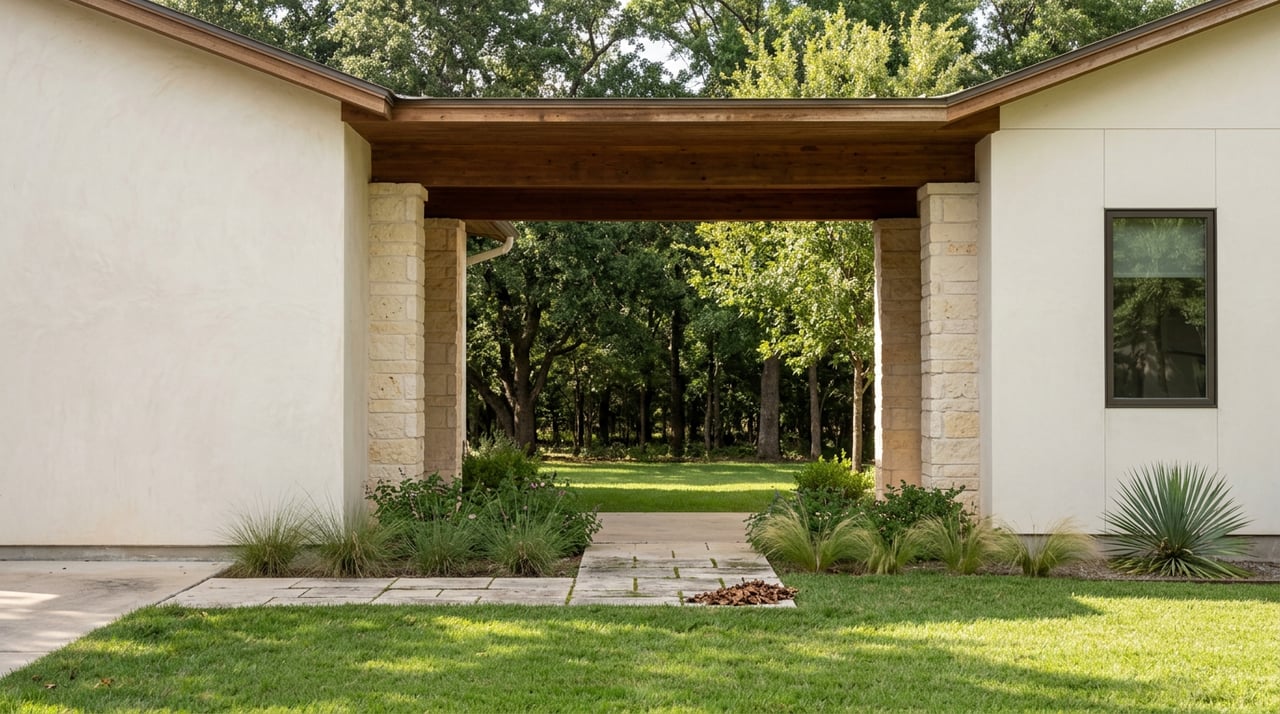
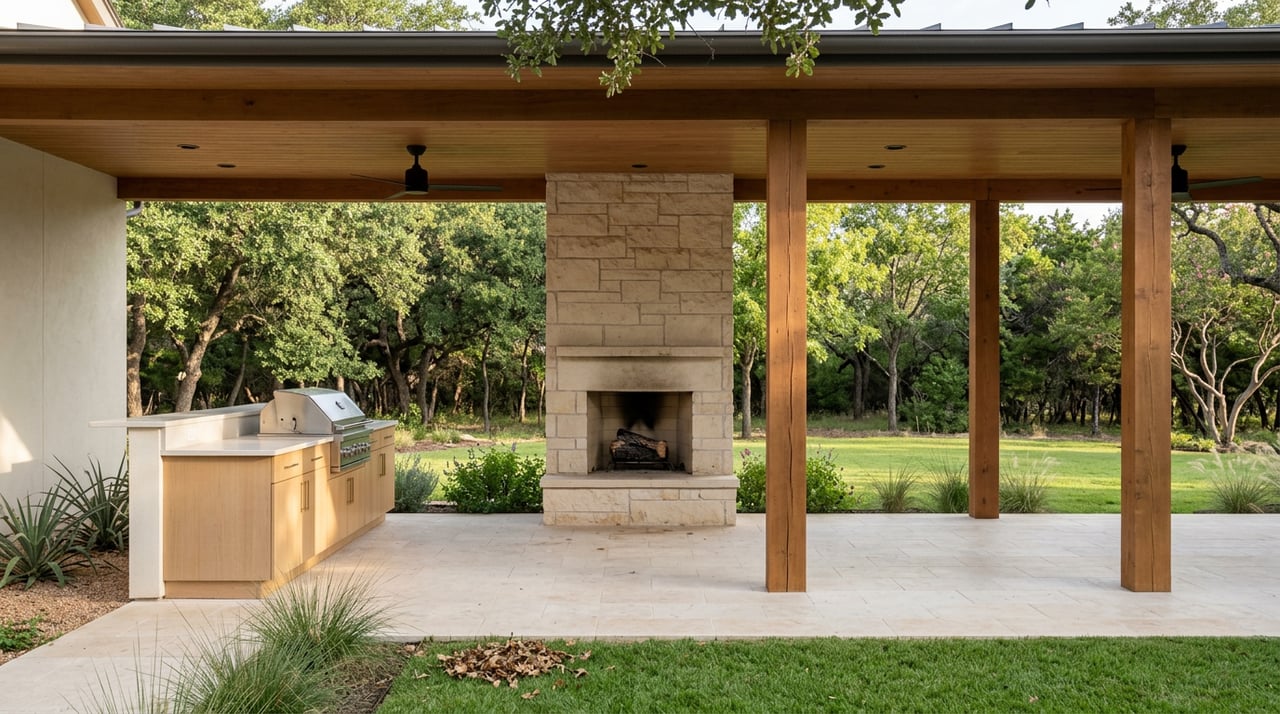
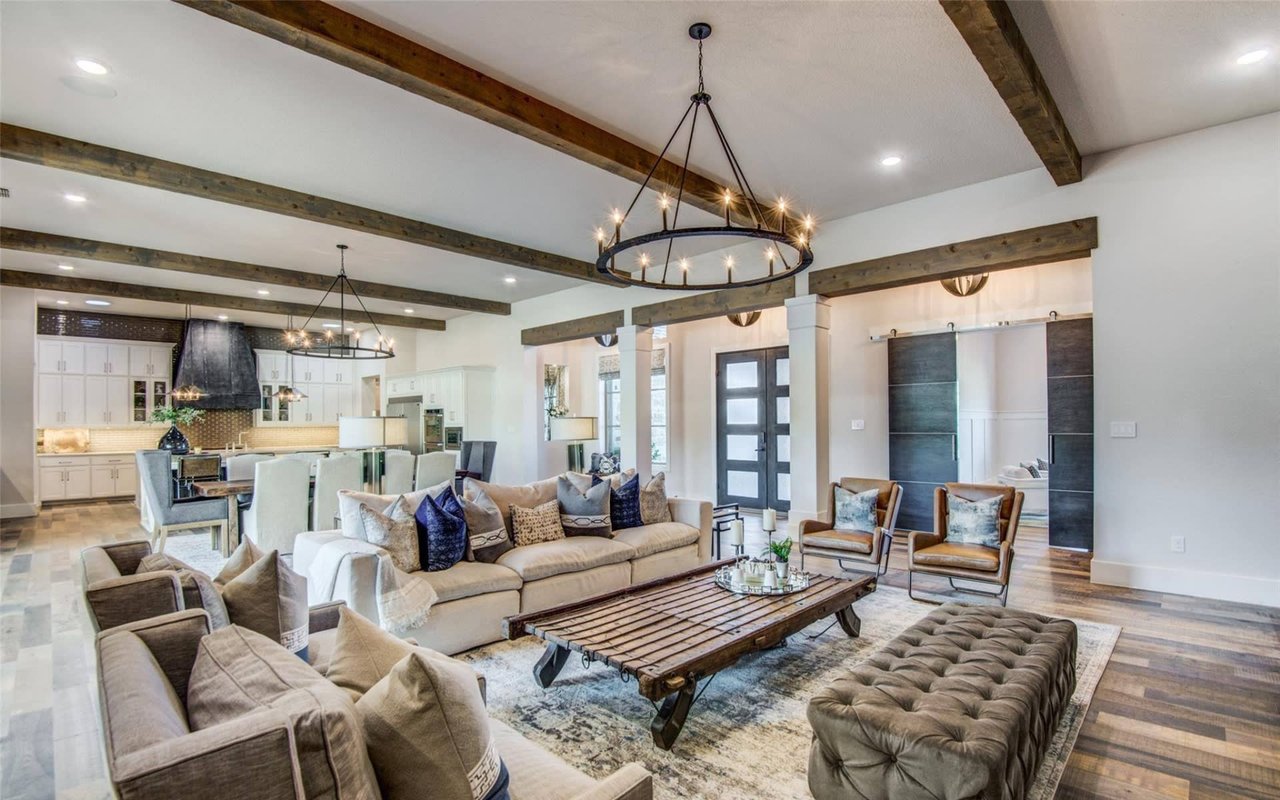
- Stage outdoor living. Style patios, pools, and outdoor kitchens. Show easy circulation between the home, yard, and outbuildings.
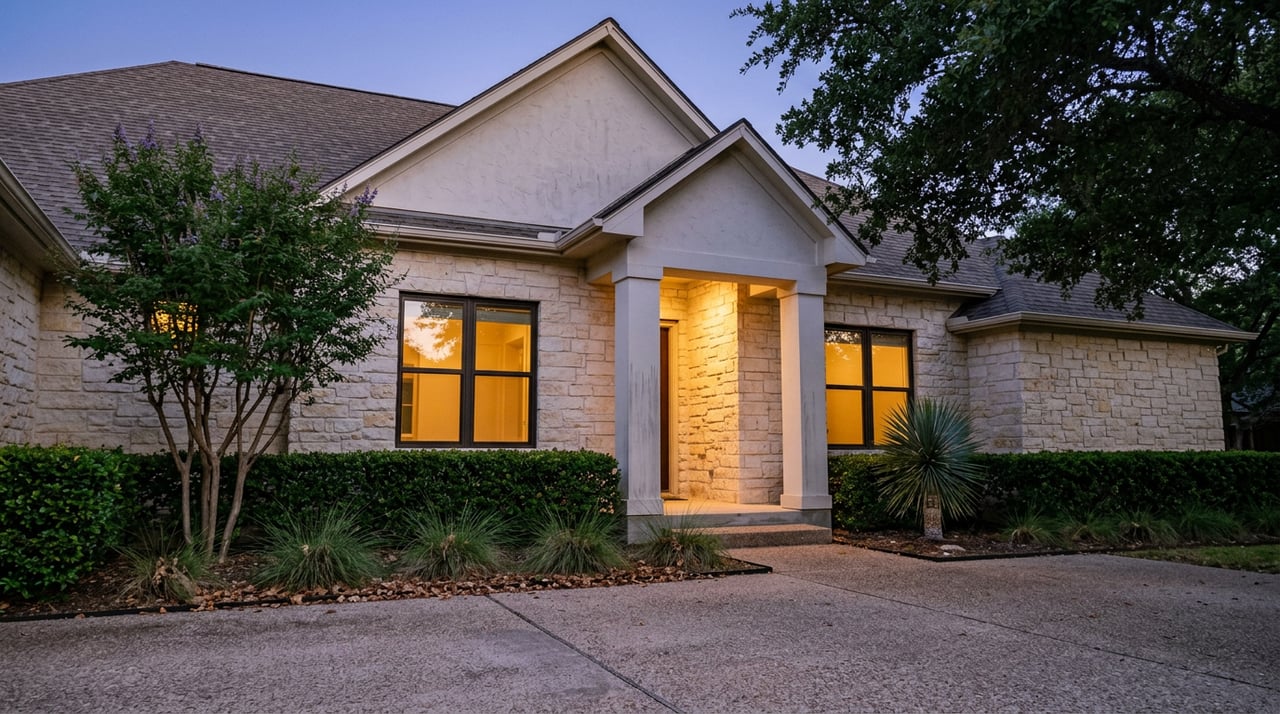
- Order premium visuals. Plan professional photography, a twilight hero image, aerial photos and video to show parcel shape and approach, and a 3D tour for remote buyers. Rich media helps buyers understand acreage layout and lifestyle.
A marketing plan built for acreage buyers
Your buyer pool spans local and regional audiences. A custom plan ensures full exposure and attracts qualified showings.
Targeted audiences
- Local high‑net‑worth buyers relocating within the northwest Austin corridor who want privacy within reasonable drive times.
- Regional buyers seeking equestrian or multi‑acre living for a family compound or multi‑generational use.
- Hill Country architecture buyers who value quality finishes and will pay for a turnkey lifestyle.
Priority channels and assets
- MLS and local broker network for primary exposure, with unbranded assets for syndication and a full property packet for cooperating agents.
- Land‑ and ranch‑focused portals alongside mainstream home search portals for consumer reach.
- Targeted digital advertising to likely buyer ZIP codes and interests, plus retargeting for listing visitors.
- Broker‑open and private previews for top local luxury agents and regional ranch brokers.
- A polished print brochure and property book for in‑person showings, including the survey, aerials, rooms and features, barn or shop inventory, HOA summary, and septic or well records.
Launch timeline and calibration
- Pre‑market window: 2 to 6 weeks to gather documents, complete key repairs, and produce visuals. Use this time to soft‑preview with trusted brokers.
- Go‑live phase: a 30 to 60 day push with full media, digital ads, and broker outreach. If you do not see strong offers or steady qualified showings, review pricing, media performance, and feedback, then calibrate.
What to expect in negotiations
For acreage estates, buyers often focus on operational clarity and long‑term costs. Be ready to provide:
- A clear septic story. Have permits, service records, and any transfer steps for aerobic systems ready to go. Share the county’s OSSF guidance in your packet.
- Water confidence. If you have a well, include recent lab results, well logs, pump age, and treatment notes.
- Land and improvement detail. Provide a clean improvement list (fencing type and condition, gates, arenas or barns, recent upgrades) and utility information. If your property has agricultural or wildlife valuation, include supporting WCAD forms and documents.
Ready to talk strategy?
Selling an Escalera Ranch acreage home takes a thoughtful plan, precise pricing, and premium presentation. Our team blends boutique, high‑touch service with the reach of a national brand to position your estate for the right buyers. If you’re thinking about listing, let’s map your next steps and timeline together.
Let’s write your story of home — schedule a free consultation with the Merissa Anderson Group.
FAQs
How are acreage homes in Escalera Ranch typically priced?
- Buyers and appraisers look at both land and improvements; recent examples in the neighborhood show improved 2–3 acre estates often selling in the low‑to‑mid seven‑figure range, with per‑acre figures varying widely based on house quality and amenities.
What documents do I need before listing in Williamson County?
- Prepare a current survey, septic (OSSF) permits and service records, any well logs and water testing, HOA covenants and dues details, and appraisal district materials, including any 1‑D‑1 agricultural or wildlife valuation paperwork.
Do I need to inspect my septic or test my well before selling?
- It is wise to do so; aerobic systems often include maintenance contracts and transfer steps, and recent well test results boost buyer confidence—see the county’s OSSF guidance for septic details.
What marketing works best for multi‑acre estates near Georgetown?
- A mix of MLS exposure, land‑focused portals, targeted digital ads, broker previews, and rich media (aerials, twilight photography, and 3D tours) helps qualified buyers understand the land and lifestyle.
How long should I plan to prep before going live?
- Budget 2 to 6 weeks to assemble documents, complete key repairs, and produce visuals; then plan a 30 to 60 day initial push with full marketing and broker outreach.
What if my property has an agricultural or wildlife valuation?
- Gather your supporting documents from the appraisal district and be ready to discuss use history and any potential rollback implications; start with WCAD’s forms and applications.