
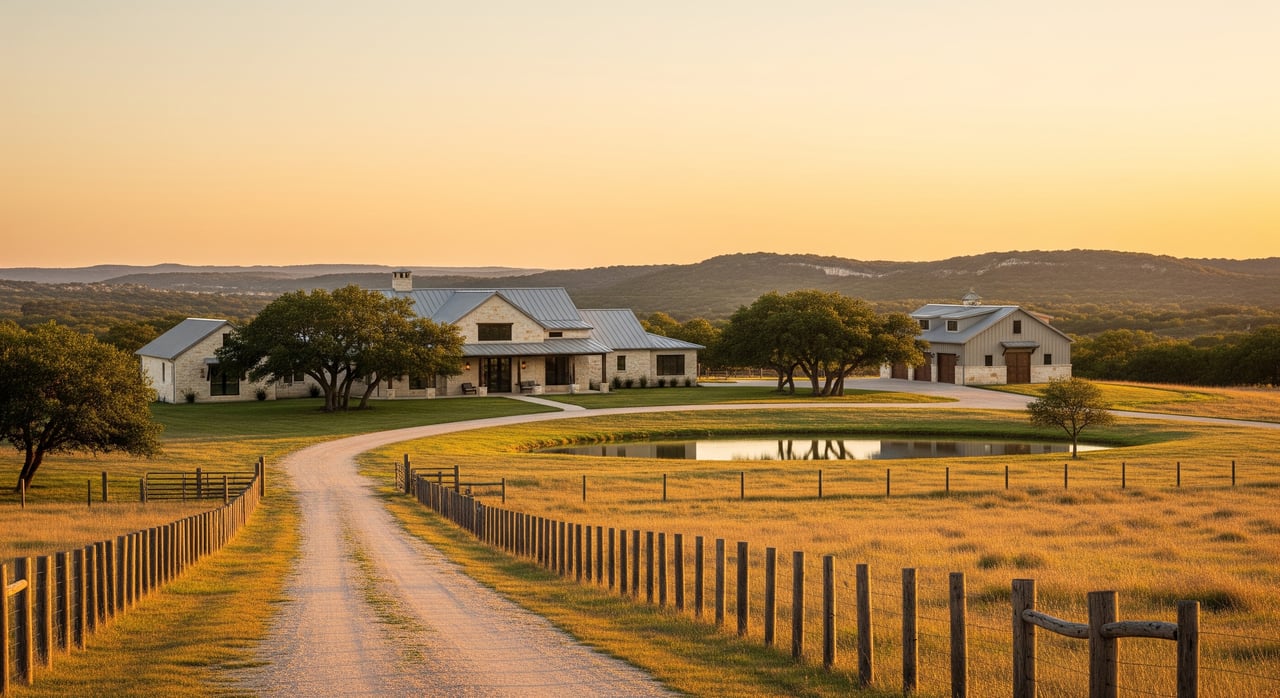
Looking for more space, privacy, and a luxury lifestyle outside the suburbs? If Escalera Ranch in Williamson County is on your list, you’re not alone. Acreage living can be a dream come true, but it comes with different questions than a typical neighborhood home. In this guide, you’ll learn what to verify about wells, septic, roads, HOAs, financing, taxes, insurance, and the due diligence steps that protect your investment. Let’s dive in.
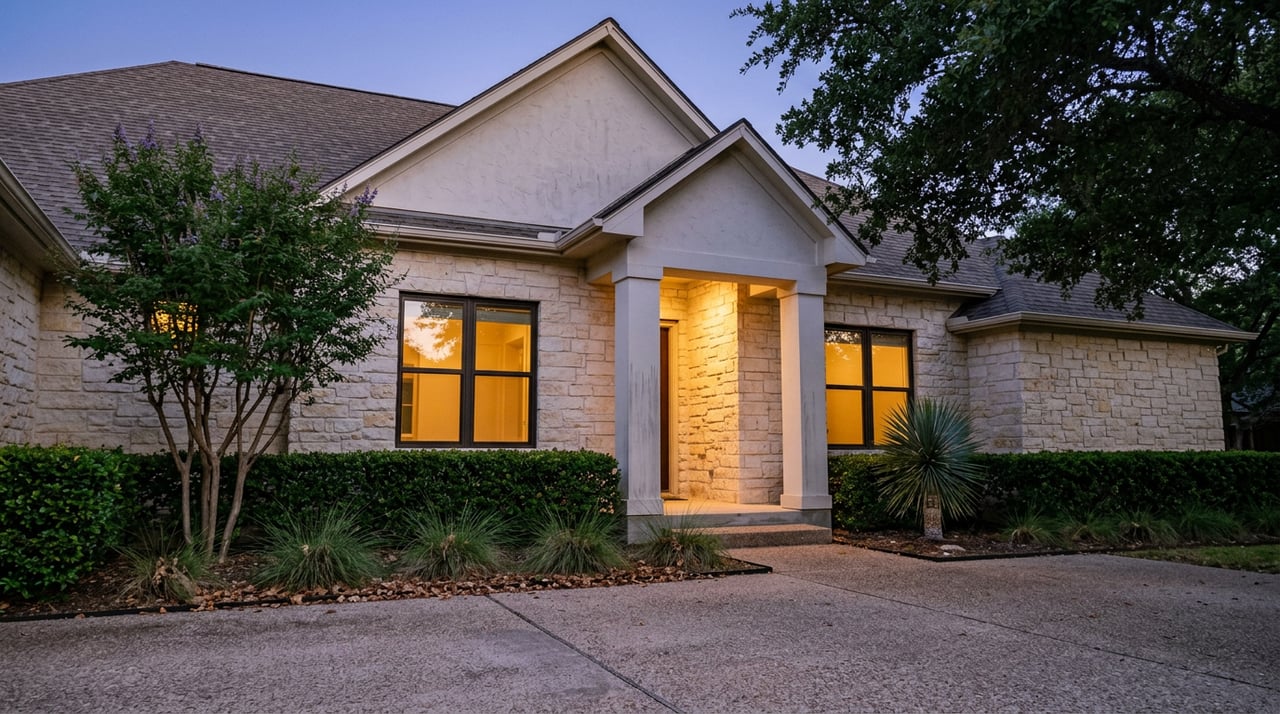
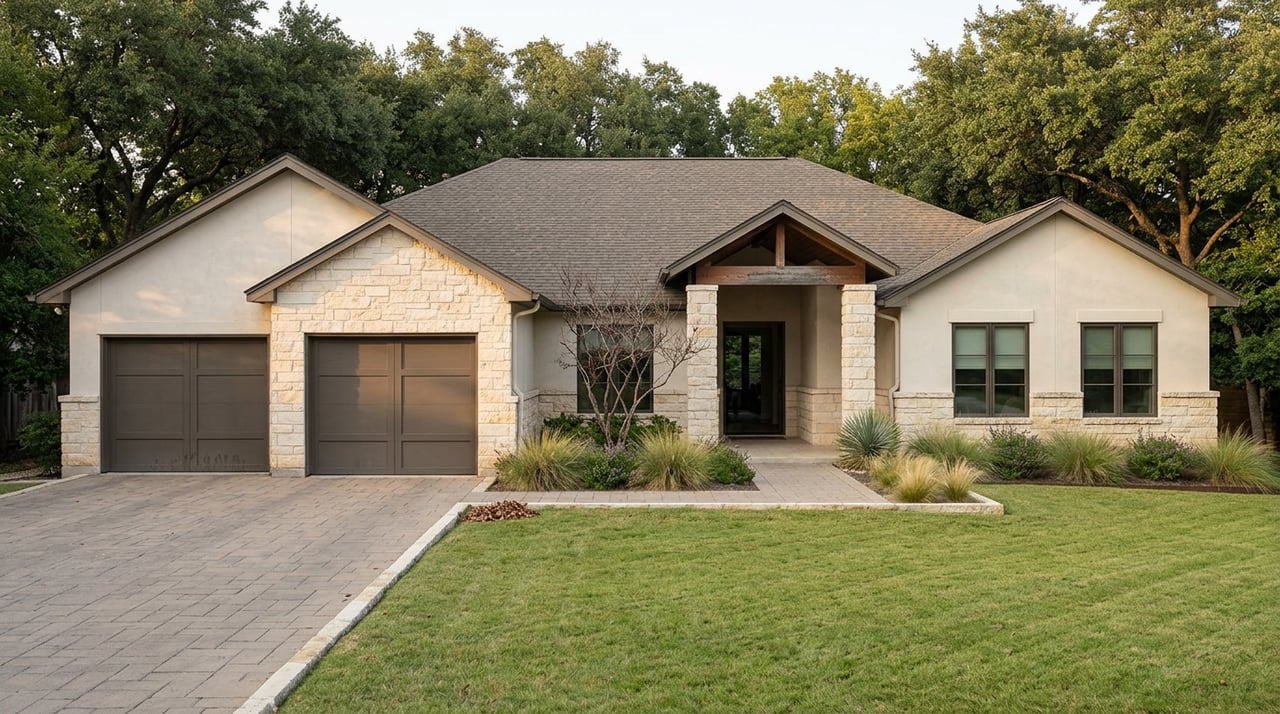
Many buyers focus on a blend of land, privacy, and a high-end single-family home. In Williamson County acreage communities like Escalera Ranch, you often see lots from about 1 acre up to 20 or more, with many homesites in the 1 to 5 and 5 to 10 acre range. Usable, flat land can be a smaller portion of the total acreage, so evaluate how you plan to use the property.
Common features include larger homes, generous outdoor living, and space for hobbies. Buyers often look for:
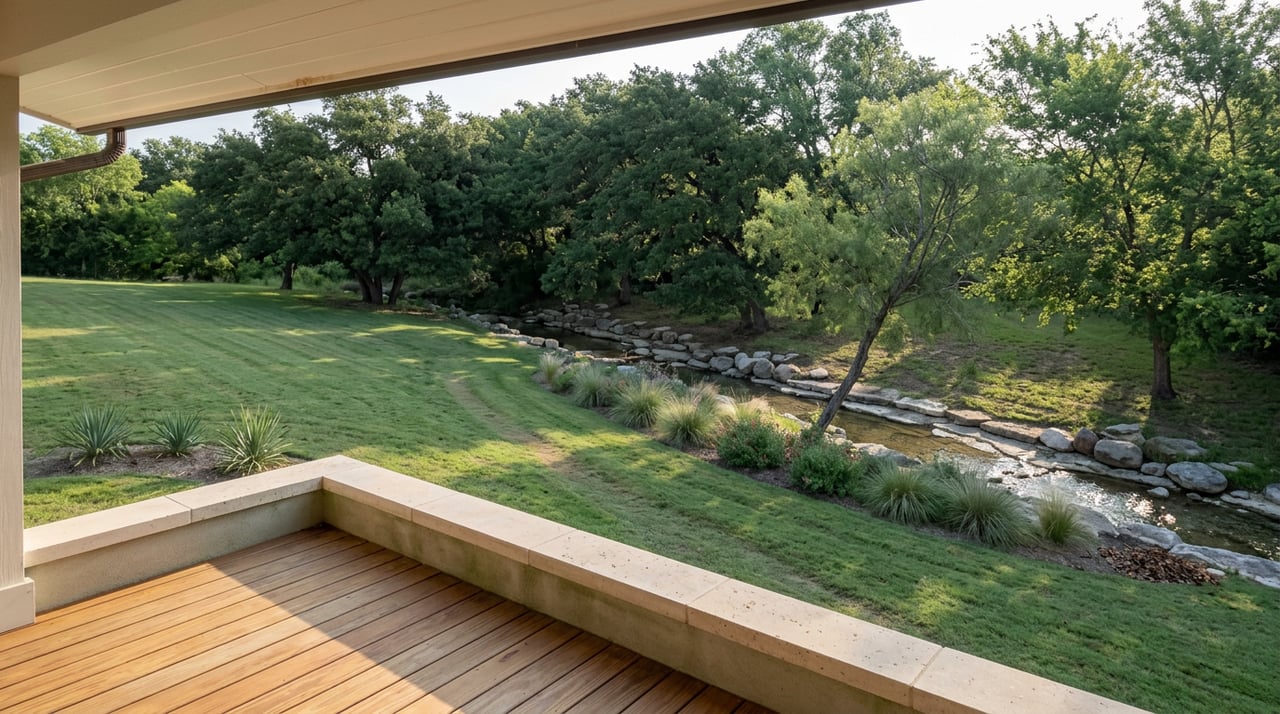
Site details matter for comfort and long-term use. Pay attention to topography, tree cover, drainage, creek or pond areas, rock outcroppings, sun paths, and prevailing winds. These details influence build sites, well placement, and septic layout.
Acreage ownership means you confirm more systems up front. Here’s what to prioritize in Escalera Ranch and similar communities:
Many acreage properties rely on private wells. Ask for the well log, pump age and condition, depth, and recent water quality testing for items like bacteria and nitrates. For regional groundwater context, review resources from the Texas Water Development Board.
If the property is served by a community or private water system, confirm the service agreement, capacity, and any tap or impact fees. Verify permit history with county records where available.
Most rural acreage uses on-site sewage systems. Confirm the system type, age, capacity, and maintenance history, and verify permits with the county or relevant health authority. To understand statewide rules and best practices, review the Texas Commission on Environmental Quality’s on-site sewage resources. If you plan to add bedrooms or build, schedule a septic feasibility or soil percolation test early.
Electric service is typically from regional providers. Confirm who serves the property, transformer location, and any line extension costs if you will build. Natural gas may not be available; many acreage owners use propane. Internet options can vary. Some tracts have fiber, while others rely on DSL, fixed wireless, or satellite. Always confirm actual speeds at the address.
Identify whether access is via a public road, county-maintained road, or a private road with gates. Confirm maintenance responsibility and any road dues. Order a title commitment and survey to map utility and access easements so you know where you can build and fence.
Check whether any portion of the tract lies in a FEMA flood zone. You can review your parcel on the FEMA Flood Map Service Center. Floodplain status can affect buildable areas, insurance costs, and resale. Escalera Ranch and similar wooded areas may carry wildfire risk. Ask about brush management and defensible space requirements within the HOA rules or local guidelines.
Limestone bedrock is common in Central Texas. It can influence foundation type, well drilling, and trenching for utilities. A geotechnical or soil test can help you plan for foundations, driveways, and septic placement.
If the tract includes riparian corridors or protected habitat, there may be restrictions on disturbance or construction. In Texas, mineral rights can be severed from the surface. Confirm whether mineral rights convey and whether any active leases exist.
Acreage communities often have recorded Covenants, Conditions and Restrictions and an Architectural Review process. Before you fall in love with a specific plan, request the full HOA packet. Look for:
Most permitting occurs at the county level. Expect building, septic, well, and driveway permits, and possibly erosion control for larger grading projects. If the property lies in a city’s extraterritorial jurisdiction, confirm whether additional rules apply.
If you intend to run livestock or pursue an agricultural use, review county rules, any zoning overlay, and your HOA’s stance. Some properties may qualify for an agricultural appraisal that can reduce property tax valuation when used for qualifying activities.
Conventional mortgages are common for acreage with homes. Lenders usually require a survey, appraisal that accounts for land and improvements, and clear title. If there is a well or septic, many lenders require inspection and functional certification. Jumbo loans or construction loans may apply for high-price purchases or custom builds. For qualifying properties and buyers, you can check eligibility for USDA rural loans using the USDA Rural Development eligibility map.
Review tax history, current exemptions, and potential for homestead or agricultural appraisal through the county’s appraisal district. You can verify records with the Williamson County Appraisal District. If you change land use from an agricultural appraisal, rollback taxes may apply, so evaluate that before you alter the property.
Insurance can be higher on acreage because of distance to fire services, outbuildings, and wildfire exposure. Ask your insurance agent for quotes that reflect your exact structures and risk profile. Consider whether you need a farm or ranch policy, equipment or livestock coverage, flood insurance if any portion is in a FEMA flood zone, and umbrella liability coverage for larger properties.
Use this list to streamline your escrow and protect your investment:
Escalera Ranch offers a quieter setting within reach of Georgetown and Austin. Travel times depend on your homesite location and the hour you drive. Peak traffic on corridors like I-35 can add time. Toll roads such as SH 130 and SH 45 can help for some routes. Test your commute during morning and evening peaks and map your regular trips to schools, grocery stores, and medical care. If your family has frequent after-school activities, confirm typical drive times during weekdays.
Beyond your mortgage, plan for:
When you compare Escalera Ranch with other luxury acreage areas, line up the same facts for each so you can make a true apples-to-apples decision:
Request the HOA packet, recent comps, utility verification, and tax history for each property you shortlist. This keeps your decision anchored to measurable facts, not just first impressions.
You deserve a team that blends luxury-level service with hands-on technical know-how. Our approach is simple: listen first, then build a clear plan that fits your family, budget, and timeline. We help you:
When you are ready to tour, we will help you see the details that matter and protect your interests at every step.
Ready to explore Escalera Ranch with a local, boutique team by your side? Connect with the Merissa Anderson Group to start a tailored search and due diligence plan.



Whether you're moving up or looking for your dream home, we're here to guide you every step of the way. Let’s make your real estate journey a seamless success!