
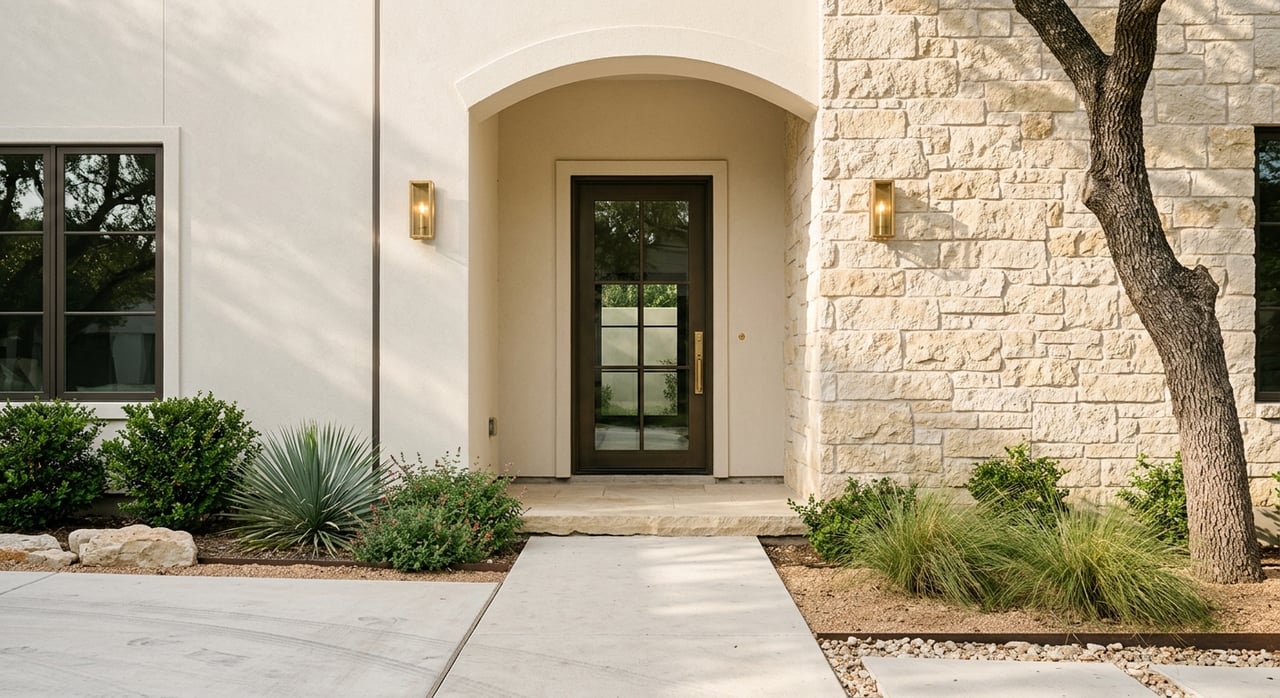
If you are drawn to the Lake Georgetown area, you have probably noticed that not all "lake area" neighborhoods offer the same experience. Some lean polished and close-in, some feel more rustic, and some trade lot size for a more planned setting. If you want to compare Estates of Westlake with other nearby options in a clear, practical way, this guide will help you sort out the differences and focus on what matters most for your lifestyle. Let’s dive in.
Estates of Westlake stands out as a small custom-home pocket within The Woods in Georgetown. Based on the neighborhood guide in the research, homes range from about 2,668 to 7,606 square feet, and most lots are around 1 to 1.5 acres.
That creates an appealing middle ground for buyers who want space without feeling too far removed from daily conveniences. The same guide notes the neighborhood is about 10 to 15 minutes from downtown Georgetown and offers access to major roads like I-35 and Highway 29.
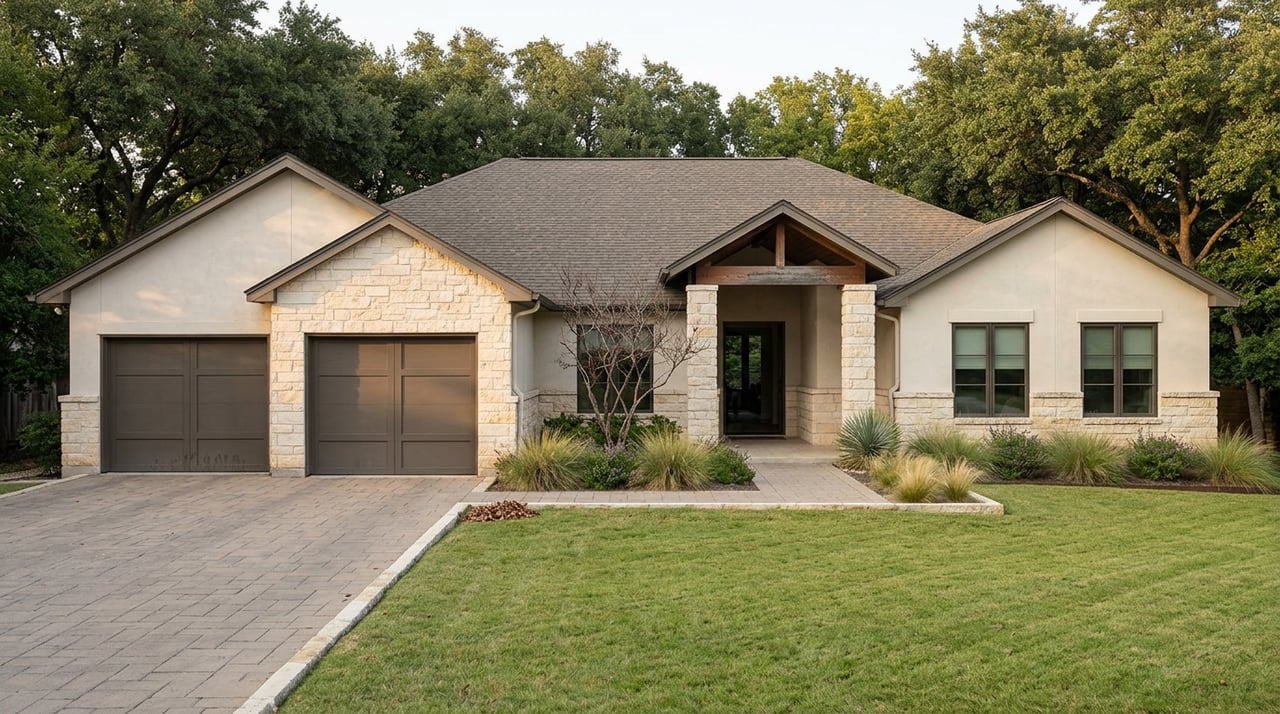
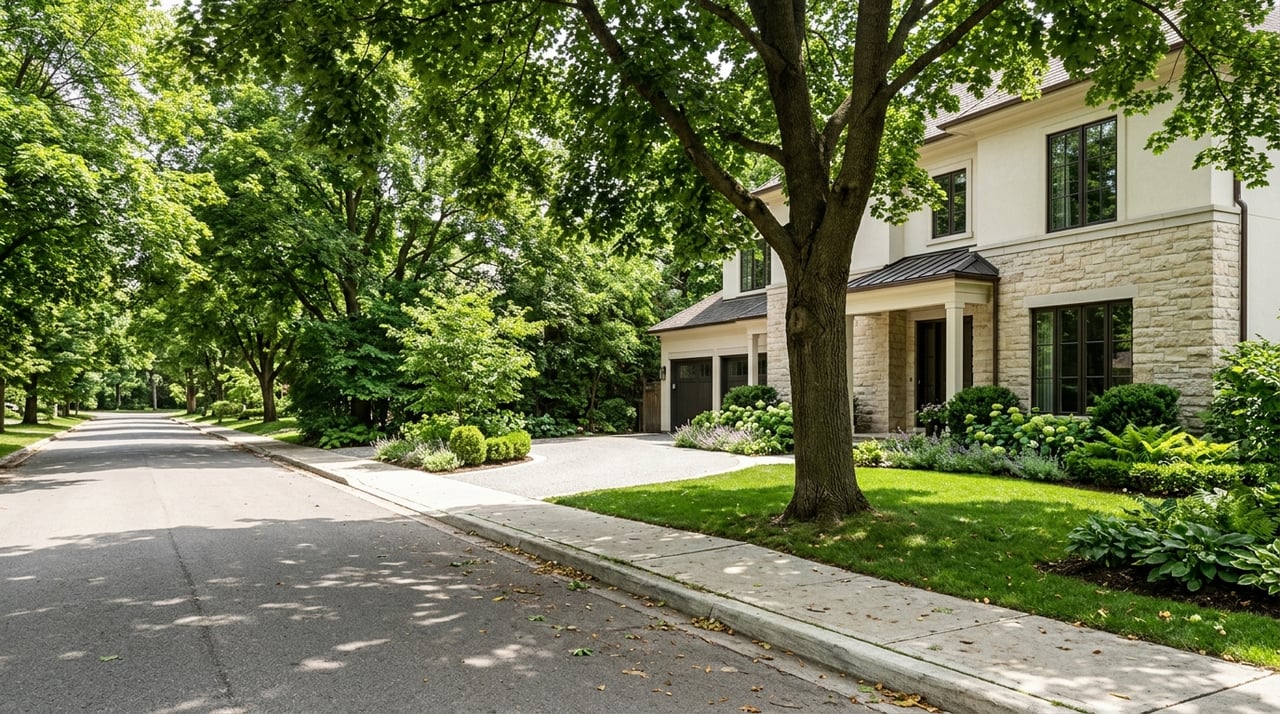
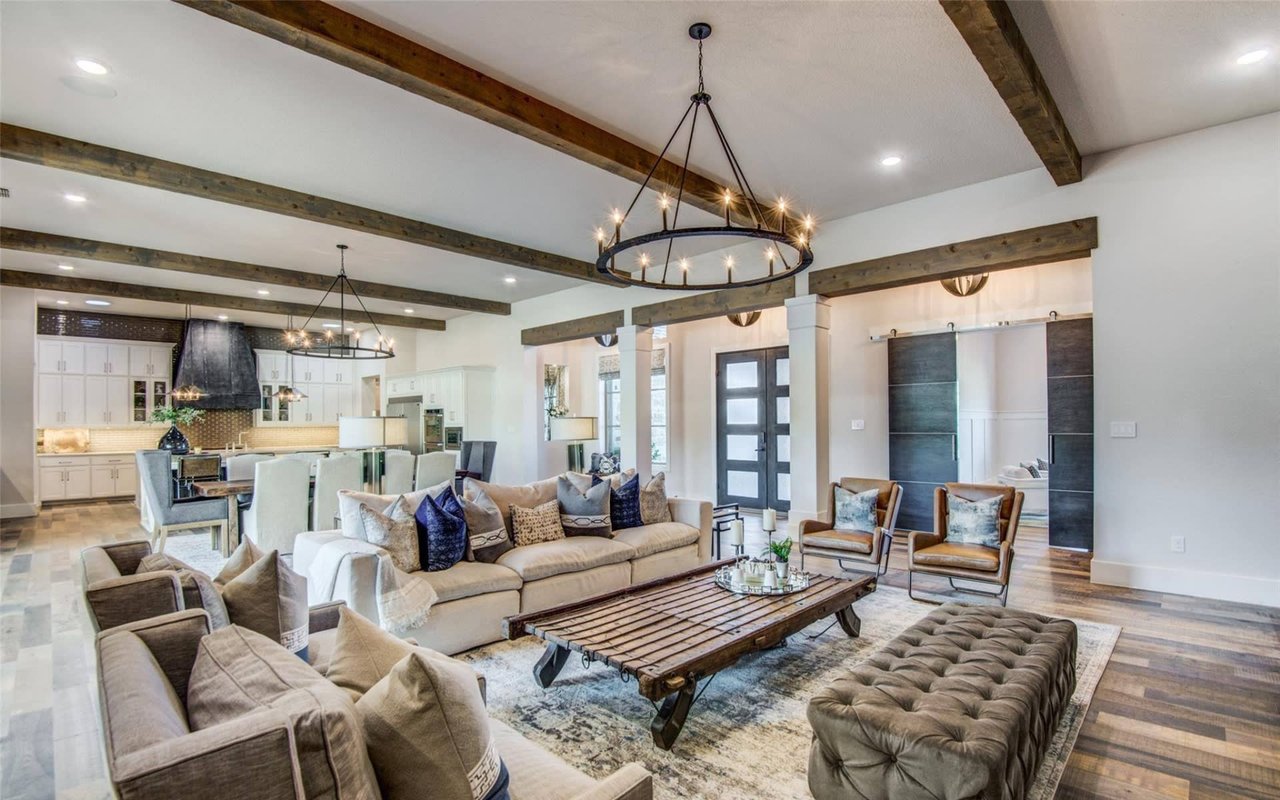
Another key point is flexibility. Estates of Westlake is described in the source material as a no-HOA neighborhood, and the homes reflect a custom feel rather than a uniform production-home look. Styles range from traditional brick and stone to Hill Country and Hill Country modern.
When buyers search for homes near Lake Georgetown, it is easy to assume every neighborhood offers the same kind of lake access. In reality, the area is shaped more by public recreation points and trail access than by private waterfront living.
According to Texas Parks and Wildlife and the U.S. Army Corps of Engineers information in the research, Lake Georgetown has public access through Cedar Breaks, Jim Hogg, and Russell Parks. The lake area also includes the 26.5-mile Goodwater Loop, along with boating, picnic areas, camping, and a swimming beach.
That means your experience may depend less on the neighborhood name and more on how you plan to use the lake. If you care about trails, boat ramps, or quick park access, those details may matter more than whether a subdivision is marketed as a lake-area community.
Lakeside at Lake Georgetown is the most planned-community option in this group. The research describes it as a newer neighborhood with construction starting in 2016, open floor plans, modern finishes, a community trail connection to the Lake Georgetown trail system, and amenities like a covered pavilion and park.
It also has a recorded property owners association, which sets it apart from Estates of Westlake. If you prefer a more structured neighborhood environment with shared amenities and newer homes on good-sized lots, Lakeside may appeal to you.
Estates of Westlake offers a different value. It is better suited to buyers who want custom homes, larger acreage-style lots, and the freedom that can come with a no-HOA setting. In simple terms, Lakeside feels more planned, while Estates of Westlake feels more custom and estate-oriented.
Lake Georgetown Estates reads as a more established custom-home option. The neighborhood guide in the research says many homes were built in the 1990s, with some from the 2000s, and lot sizes range from about one acre to a little over five acres.
A major draw there is setting. Many lots are wooded, and many homes have lake views. The guide also notes that Russell Park boat ramp can be reached in under 10 minutes.
Compared with Lake Georgetown Estates, Estates of Westlake may feel a bit more polished and closer-in for buyers focused on convenience. Lake Georgetown Estates may offer more opportunity for buyers who want larger tracts, mature surroundings, or the possibility of a lake view, while Estates of Westlake may better fit buyers who want a luxury-leaning custom-home feel with easier access to downtown Georgetown.
Lakewood Estates is described in the research as one of the more freedom-oriented acreage communities near Lake Georgetown. It features mature tree-lined streets, native landscaping, gravel driveways, 1-to-5-acre lots, and homes generally ranging from 1,600 to 3,500 square feet.
Like Estates of Westlake, Lakewood Estates is marketed as a no-HOA community. That shared trait may appeal to buyers who value flexibility and a less regulated neighborhood setup.
The difference is often in overall feel. Based on the source descriptions, Lakewood Estates reads more rustic and informal, while Estates of Westlake presents as a more refined, luxury-oriented acreage option. If your goal is a custom estate look with larger home sizes and a more polished impression, Estates of Westlake may have the edge.
If you are comparing these communities, start with how much land you really want and how much neighborhood structure feels comfortable to you. Estates of Westlake, Lake Georgetown Estates, and Lakewood Estates all offer acreage-style living, while Lakeside leans more toward a planned-community format.
That distinction can shape your day-to-day experience. Some buyers want a more customized property feel, while others prefer shared neighborhood amenities and a more consistent community design.
Another major decision point is whether you want a custom-home environment or a newer-home setting. Estates of Westlake and Lake Georgetown Estates both lean custom, while Lakeside offers a more modern planned-community profile with homes built beginning in 2016.
Neither is automatically better. It simply depends on whether your priority is individuality, lot size, and architectural variety or a newer construction timeline and community amenity package.
This is one of the most important distinctions in the Lake Georgetown area. The research makes clear that some neighborhoods may be near the reservoir or connected to trails without being directly on the water.
For example, Lakeside is trail-connected but not lakefront, and Lake Georgetown Estates is not technically on the lake even though many homes have views. If lake living is high on your list, it helps to define whether you mean a view, trail access, or quick access to boat ramps and parks.
Estates of Westlake appears to sit in a very practical middle position. It offers acre-plus living and custom homes, but it is still relatively close to downtown Georgetown, which the research places at roughly 10 to 15 minutes away.
That may be a strong fit if you want elbow room without giving up easy access to shopping, dining, and everyday services. Georgetown’s official community guide also notes that downtown has more than 100 restaurants, wineries, shops, and galleries, along with broader city amenities like parks, pools, a recreation center, and a full-service hospital.
For many buyers, Estates of Westlake may feel like the most balanced option in this part of Georgetown. It combines custom-home character, larger lots, and no-HOA appeal with a location that keeps you connected to downtown and major roads.
That balance is important because the Lake Georgetown area is not a one-size-fits-all market. Some neighborhoods offer more trail connectivity, some lean older and more wooded, and some offer a more rustic acreage lifestyle.
Estates of Westlake stands out if you want a neighborhood that feels estate-oriented without feeling isolated. Based on the research, that is a big reason it often compares well against other nearby lake-area options.
Even when a neighborhood seems like a fit, it is worth verifying details at the property level. The research specifically notes that buyers should confirm whether a home is in a recorded HOA or POA, whether a lot has a true lake view, and whether terms vary by subdivision phase.
As you compare homes near Lake Georgetown, keep these questions in mind:
Those answers can help you look beyond marketing language and focus on what will truly fit your goals.
If you are weighing Estates of Westlake against other Georgetown lake-area neighborhoods, the right choice usually comes down to how you want to balance privacy, home style, land, and convenience. The Merissa Anderson Group can help you compare the details, narrow your options, and move forward with confidence.

Whether you're moving up or looking for your dream home, we're here to guide you every step of the way. Let’s make your real estate journey a seamless success!
275 SE INNER LOOP GEORGETOWN TX 78626