If you are comparing homes in Estrella Crossing, the usual new-build versus resale debate does not quite fit. This Georgetown neighborhood is better understood as a collection of custom and semi-custom homes, many built in the early 2010s on wooded lots of about an acre. That means your real choice is often between a later early-2010s home with a more current feel and an earlier early-2010s home with deeper lot maturity and more established upgrades. If you know what to look for, you can make a smart decision with much more confidence. Let’s dive in.
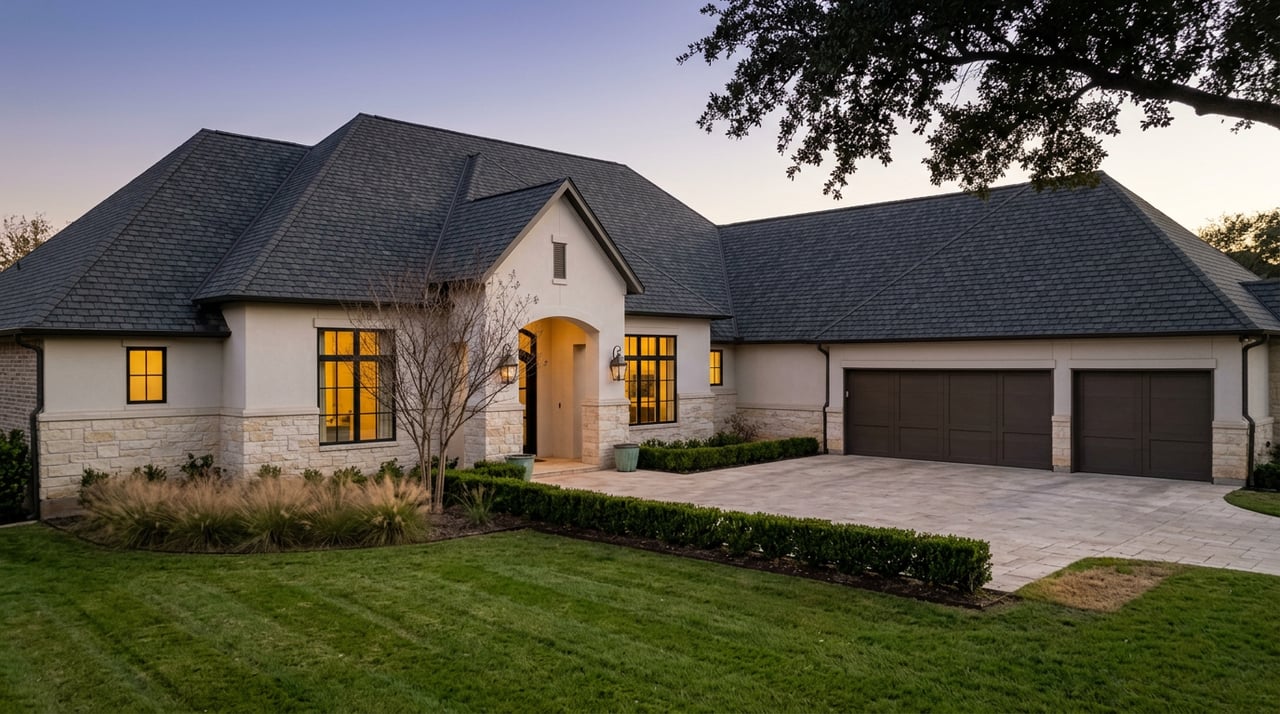
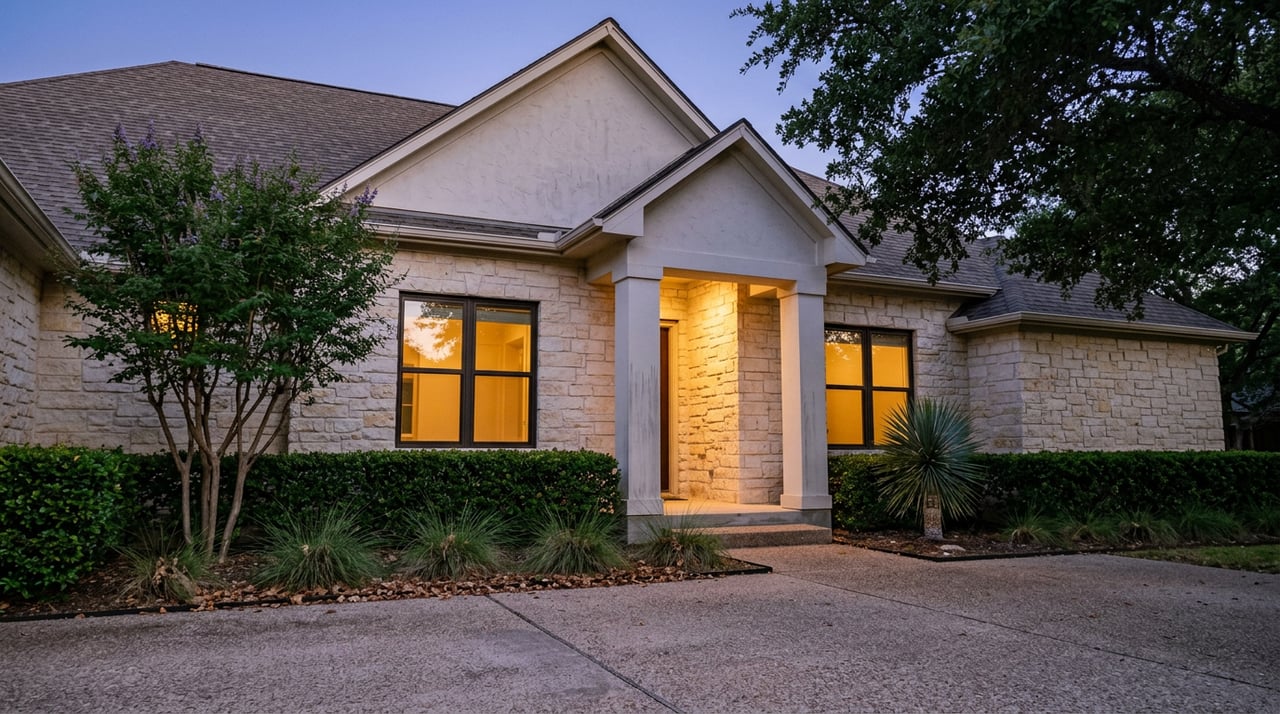
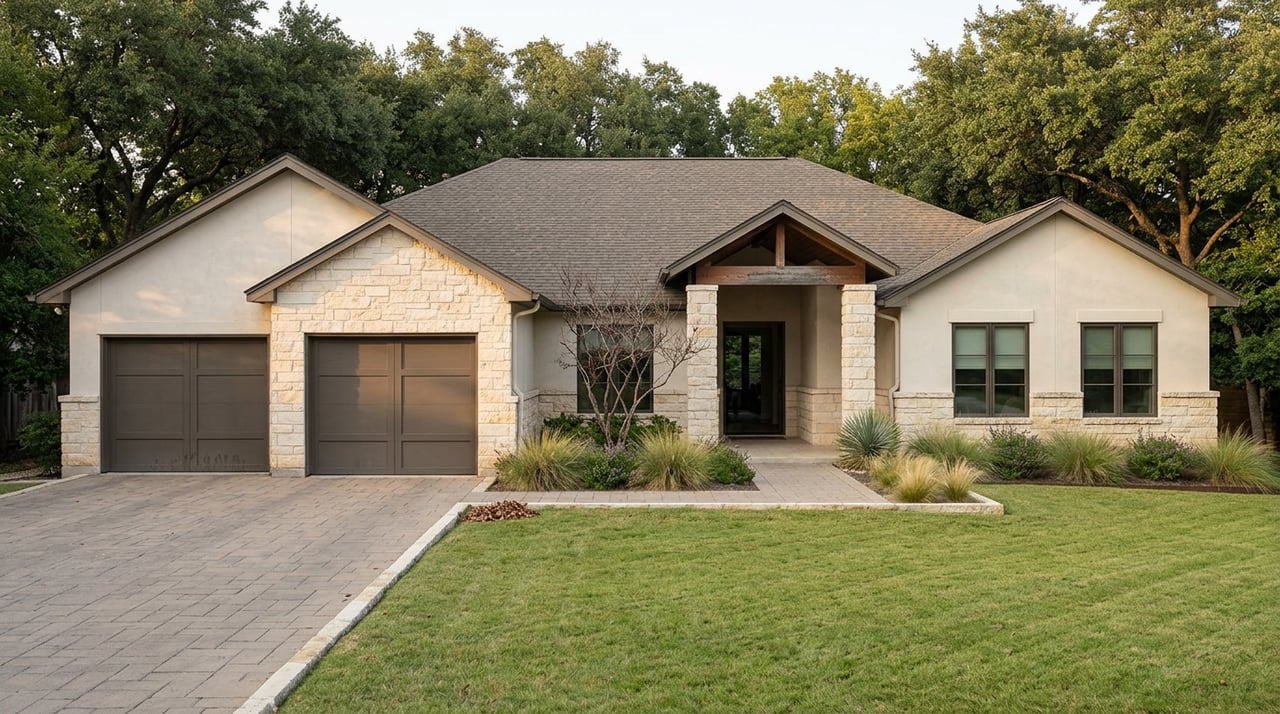
In many neighborhoods, “newer build” means brand-new construction. In Estrella Crossing, that is usually not the case. Public listings point to a boutique custom-home setting where many homes were built from about 2010 to 2014, often by builders like Drees Custom Homes and Partners in Building on large, tree-filled homesites.
That detail matters because your comparison is more nuanced. Instead of weighing brand-new finishes against an older tract home, you are often comparing one custom resale to another. In practice, the decision comes down to floorplan style, systems age, outdoor setting, and how much of the custom work has already been done for you.
In Estrella Crossing, a “newer” home may still be a resale property that is more than 10 years old. For example, recent listing examples include homes built in 2012, 2013, and 2014 with features like open layouts, bonus rooms, large garages, and even accessibility elements such as an elevator in one property.
So if you are shopping here, it helps to shift your mindset. A later-built home may feel more current in design and function, but it is still important to evaluate it as an existing home with aging components, not as new construction.
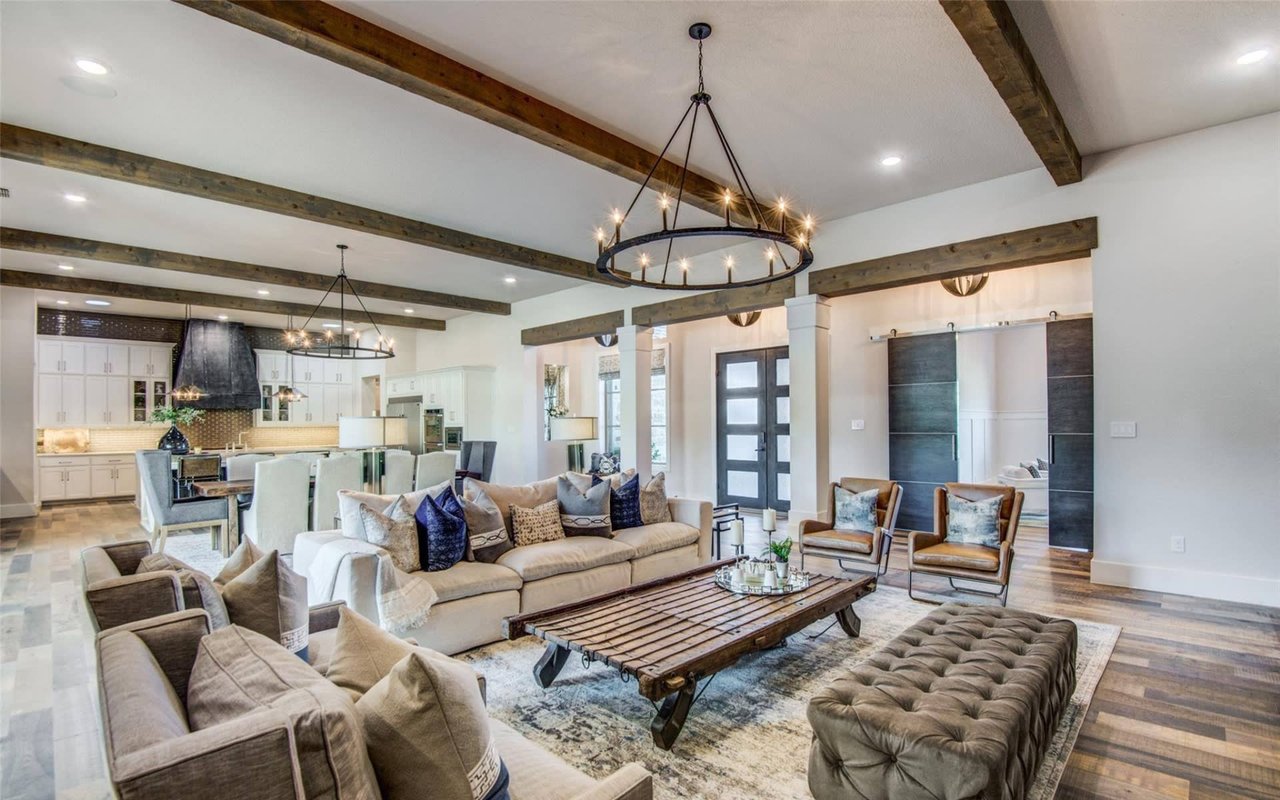
Many of the later-built homes in Estrella Crossing were designed with features buyers still want today. Listing details highlight open living, kitchen, and dining spaces, main-level primary suites, offices or studies, bonus rooms, multiple living areas, and 3-car garages.
That can make daily life feel easier and more connected. If you want a home that works well for entertaining, flexible living, or multigenerational needs, a later-built resale may check more boxes without needing major reconfiguration.
Some homes in the neighborhood offer design details that still feel very current. One listing notes an open floorplan and multiple living and dining areas, while another highlights dramatic tray, vaulted, and dome ceilings on a wooded lot.
These are not cookie-cutter homes. In Estrella Crossing, a later-built property may give you a custom-home feel with a layout that aligns more closely with how many buyers want to live now.
A later build can sometimes offer efficiency advantages, especially in Central Texas where cooling performance matters. According to ENERGY STAR, certified homes are at least 10 percent more energy efficient than homes built to code and often include better insulation, tighter air sealing, high-performance windows, and more efficient heating and cooling.
Still, it is important not to assume. A listing that mentions ENERGY STAR-qualified appliances is not the same as a whole-home ENERGY STAR certification. You will want to verify insulation, window quality, HVAC efficiency, and any third-party certification before drawing conclusions.
A home built in 2013 or 2014 is no longer brand new. Roof age, HVAC age, water heaters, windows, and pool equipment can all be meaningful factors when you are comparing homes in 2026.
That means the advantage is often lower near-term maintenance risk, not zero risk. A later-built home may still be appealing, but you should review the age and condition of major systems carefully.
No matter which home you prefer, an independent inspection is a smart step. The Texas Real Estate Commission explains that licensed inspectors follow Texas Standards of Practice, which gives buyers a structured way to evaluate a property.
In a neighborhood where many homes are now in the 10 to 15-year range, inspections become even more important. You want a clear picture of the roof, foundation, drainage, moisture conditions, insulation, and mechanical systems before you move forward.
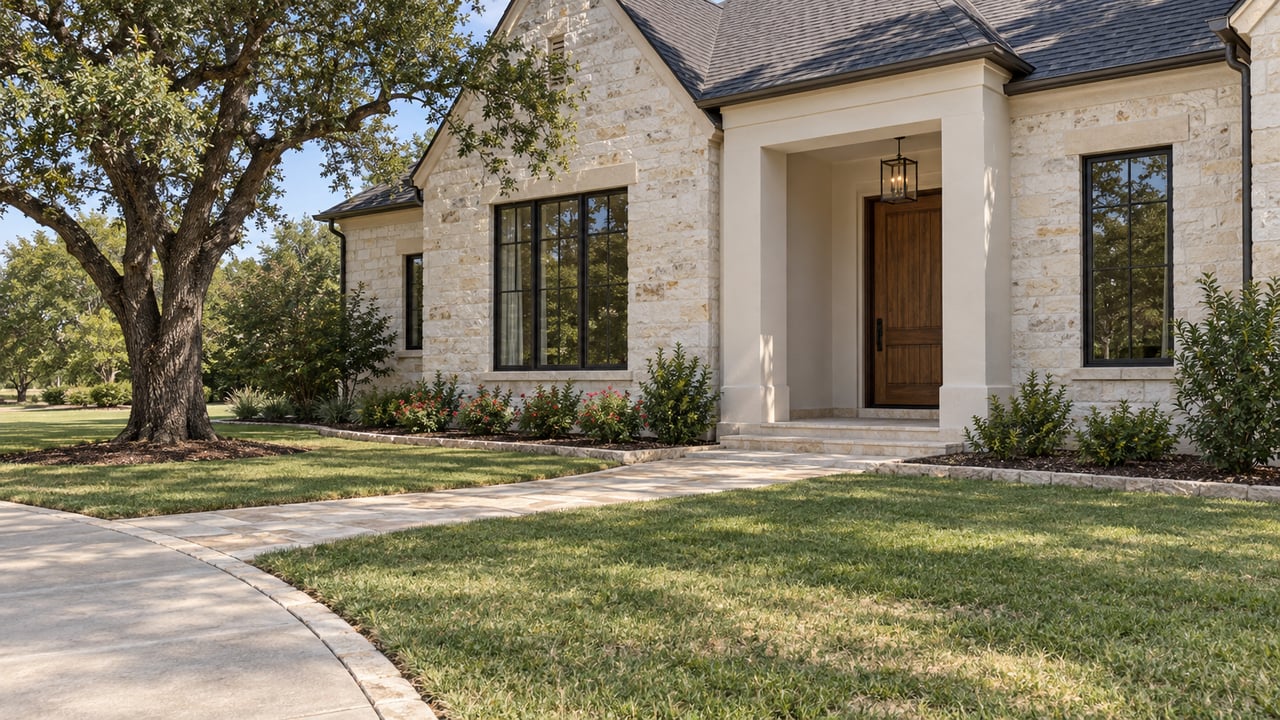
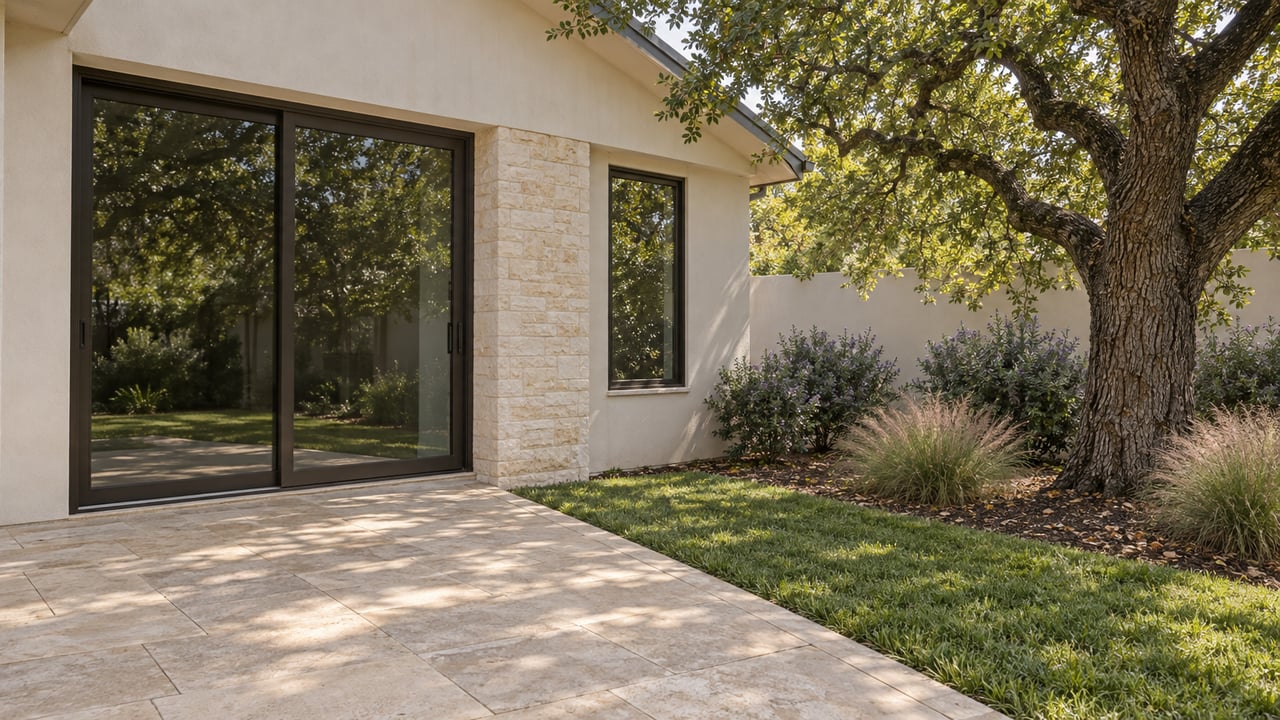
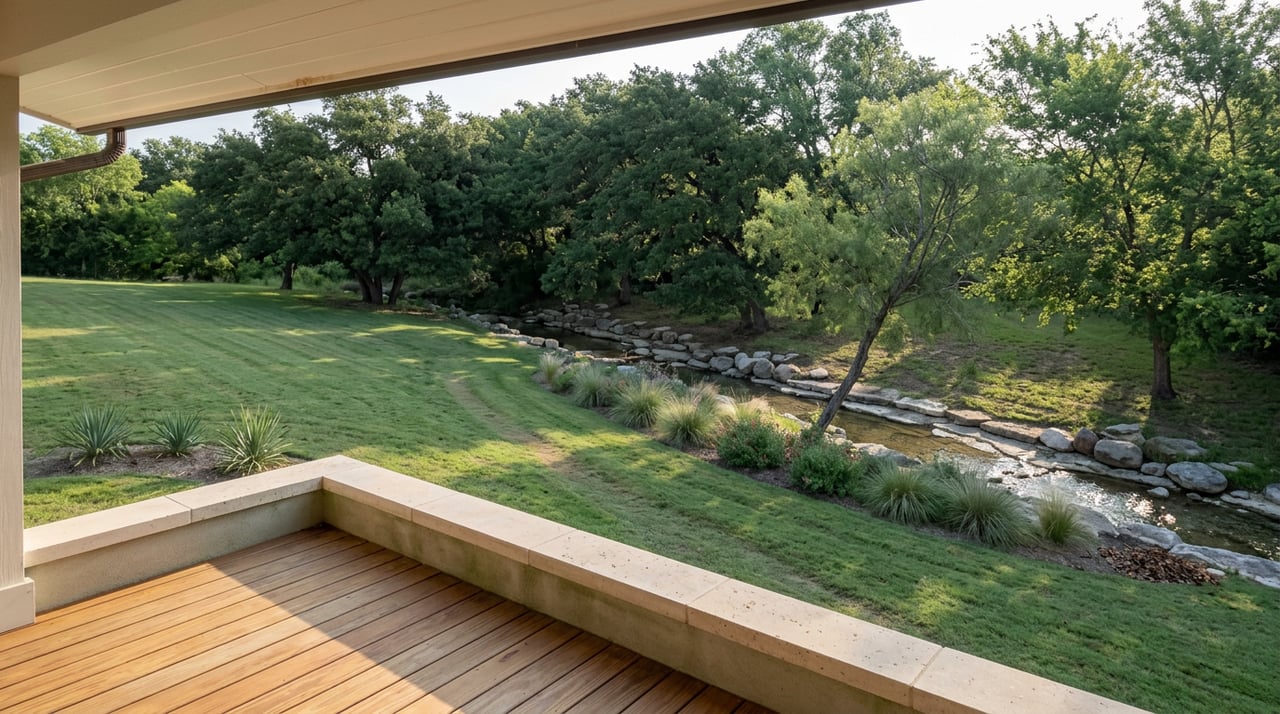
One of the clearest resale advantages in Estrella Crossing is the outdoor setting. Listing descriptions repeatedly mention wooded lots, large trees, and natural surroundings, which suggests lot maturity is a major part of the neighborhood’s appeal.
If you care about privacy, shade, or a more established landscape, an earlier home may stand out. At the same time, mature lots can come with added upkeep, including trimming, irrigation attention, drainage concerns, and possible root intrusion.
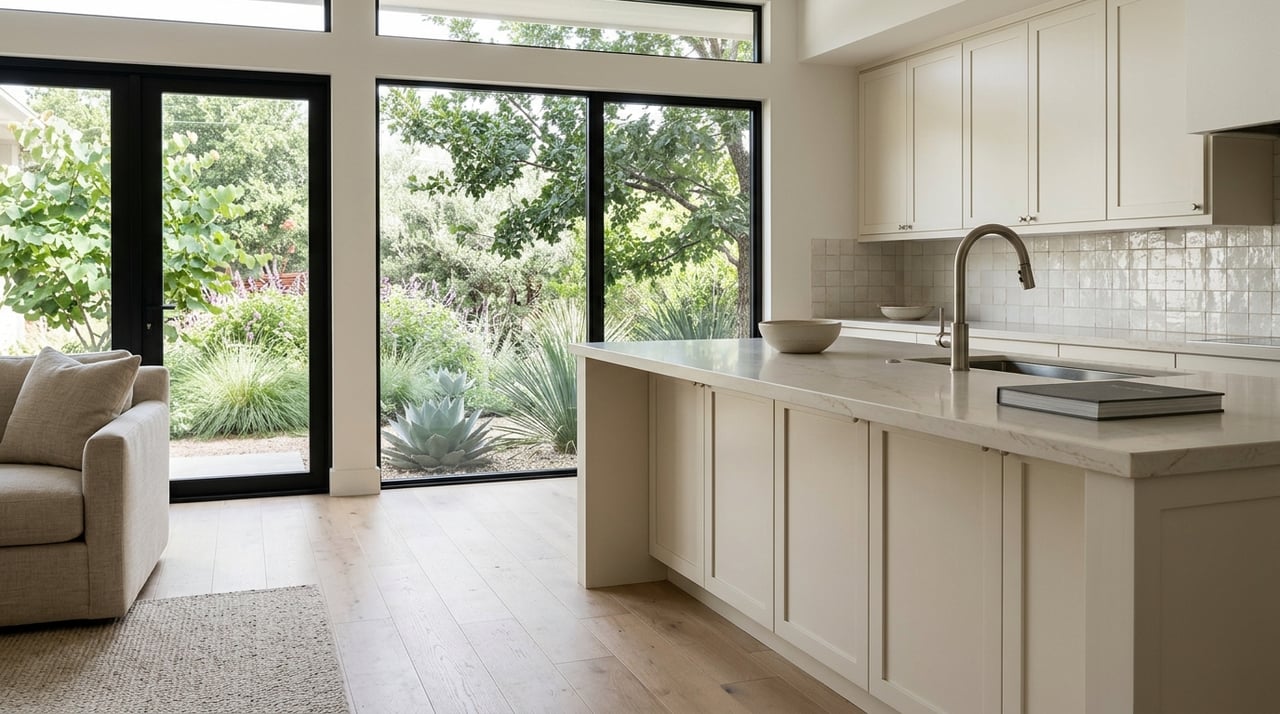
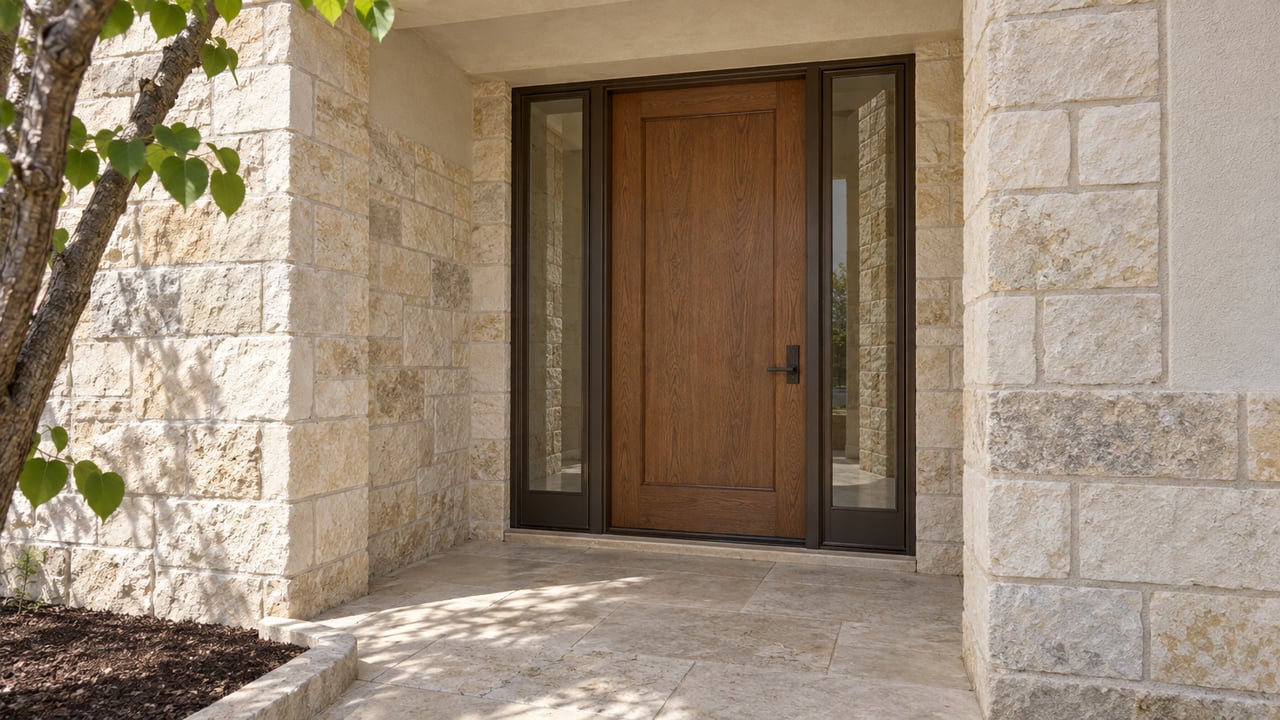
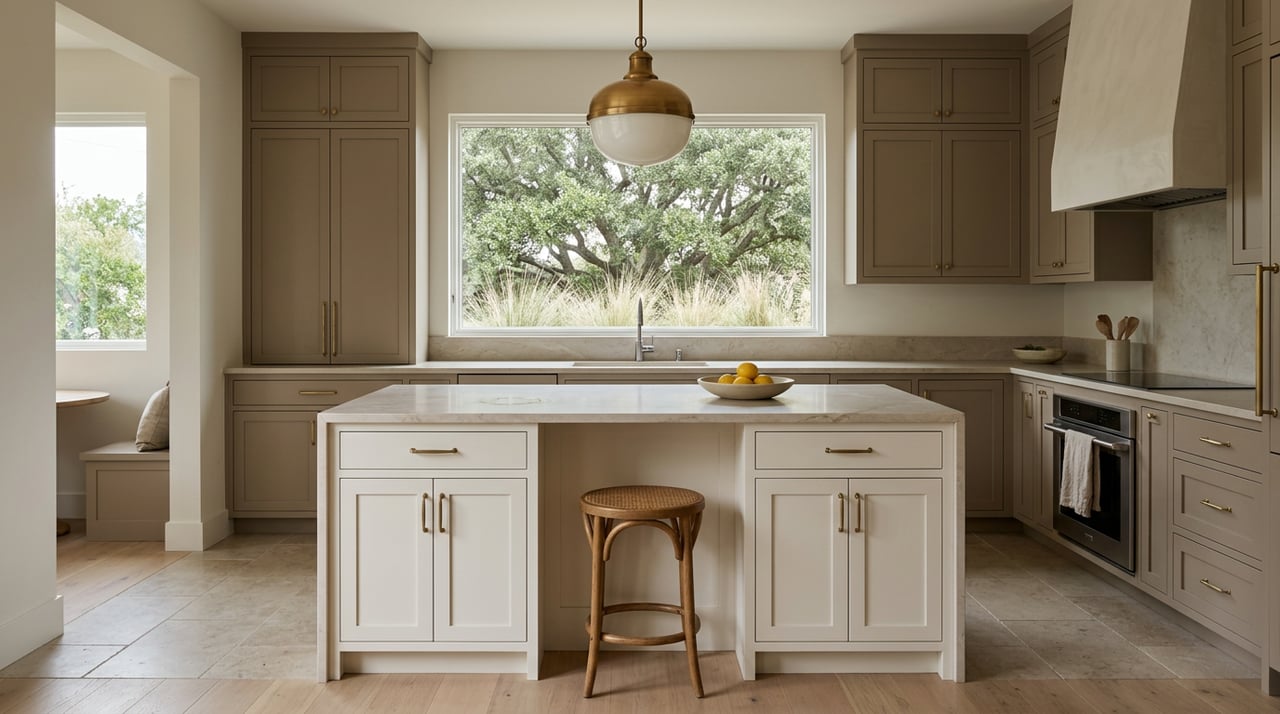
Because Estrella Crossing is built around custom and semi-custom homes, resale properties often include features that would cost extra in a new build. Depending on the home, that may include custom cabinetry, woodwork, high ceilings, fireplaces, covered patios, pools, specialty rooms, and larger garages.
That can create strong value. Instead of budgeting for post-closing upgrades, you may be able to buy a home where the seller has already invested in the finishes and features you want.
In a custom-home neighborhood, finish quality matters as much as age. A slightly earlier home may offer craftsmanship, materials, or outdoor living spaces that compare very well against a later-built option.
That is why it helps to look beyond the year built. If one home has a more established lot, completed outdoor areas, and custom details throughout, it may feel like the stronger fit even if it is technically older.
When you compare homes, do not stop at the sales price. In Texas, property is appraised at market value as of January 1, and exemptions like a homestead exemption can affect taxable value. The Texas Comptroller’s property tax guidance is a useful starting point for understanding how values are assessed.
For Estrella Crossing buyers, this means you should verify the current appraisal and exemption status on the specific property rather than relying on estimates. A home’s ownership cost can look different once taxes, improvements, and exemption history are taken into account.
Whether a home was built in 2010 or 2014, you will want answers to a few practical questions:
These questions help you compare homes more accurately. They also give you a better sense of how much future spending may be coming your way.
If you are buying a previously occupied single-family home, make sure you review the proper disclosure documents. The Texas Seller’s Disclosure Notice is required in covered transactions for previously occupied single-family residences under current TREC guidance.
This document can help you spot known issues, repairs, or past conditions before you get too deep into the process. It is one more tool that helps you compare resale homes with clarity.
During the inspection period, focus on the issues that matter most in homes of this age:
If an inspector flags a safety or code concern, ask follow-up questions. TREC notes that inspectors do not inspect to building codes, so it is wise to understand the reasoning and bring in a specialist if needed.
A few neighborhood-specific checks are worth doing before you commit. School assignment should be confirmed directly through the Georgetown ISD attendance zone locator, since attendance boundaries can change.
You should also verify HOA documents, dues, and what they cover for the property you are considering. Utility connections matter too. Recent listings commonly mention public water, public sewer, and natural gas, but you should confirm service details for the exact address.
If you prefer a more open layout, more contemporary flow, and potentially newer major systems, a later-built home in Estrella Crossing may be the better fit. If you are drawn to mature trees, already-completed custom upgrades, and a more established outdoor setting, an earlier resale may offer stronger long-term appeal.
The good news is that both options can be excellent. In this neighborhood, the right choice is usually less about chasing “new” and more about matching the home to your priorities, your maintenance comfort level, and the way you want to live.
When you want a local guide who can help you compare floorplans, evaluate remodel potential, and navigate custom-home details with confidence, the Merissa Anderson Group is here to help you make a thoughtful move.

Whether you're moving up or looking for your dream home, we're here to guide you every step of the way. Let’s make your real estate journey a seamless success!